7 Powerful Baobab Fruit Powder Benefits & Why You Should Add It to Your Diet
In this post, I share my journey of rediscovering the mighty baobab treeand childhood memories of baobab fruit (mbuyu) in Venda. From its role in my grandmother’s village to its 7 powerful benefits of baobab fruit powder, you’ll discover the deep roots of the Tree of Life .
I almost missed the opportunity again; to see, touch, and breathe in the presence of the mighty baobab tree. In April 2023, while driving to Limpopo, I watched these giants line the roadside like elders. I told myself I would return properly, but I never got the chance. That moment passed and with it, a piece of longing stayed with me.
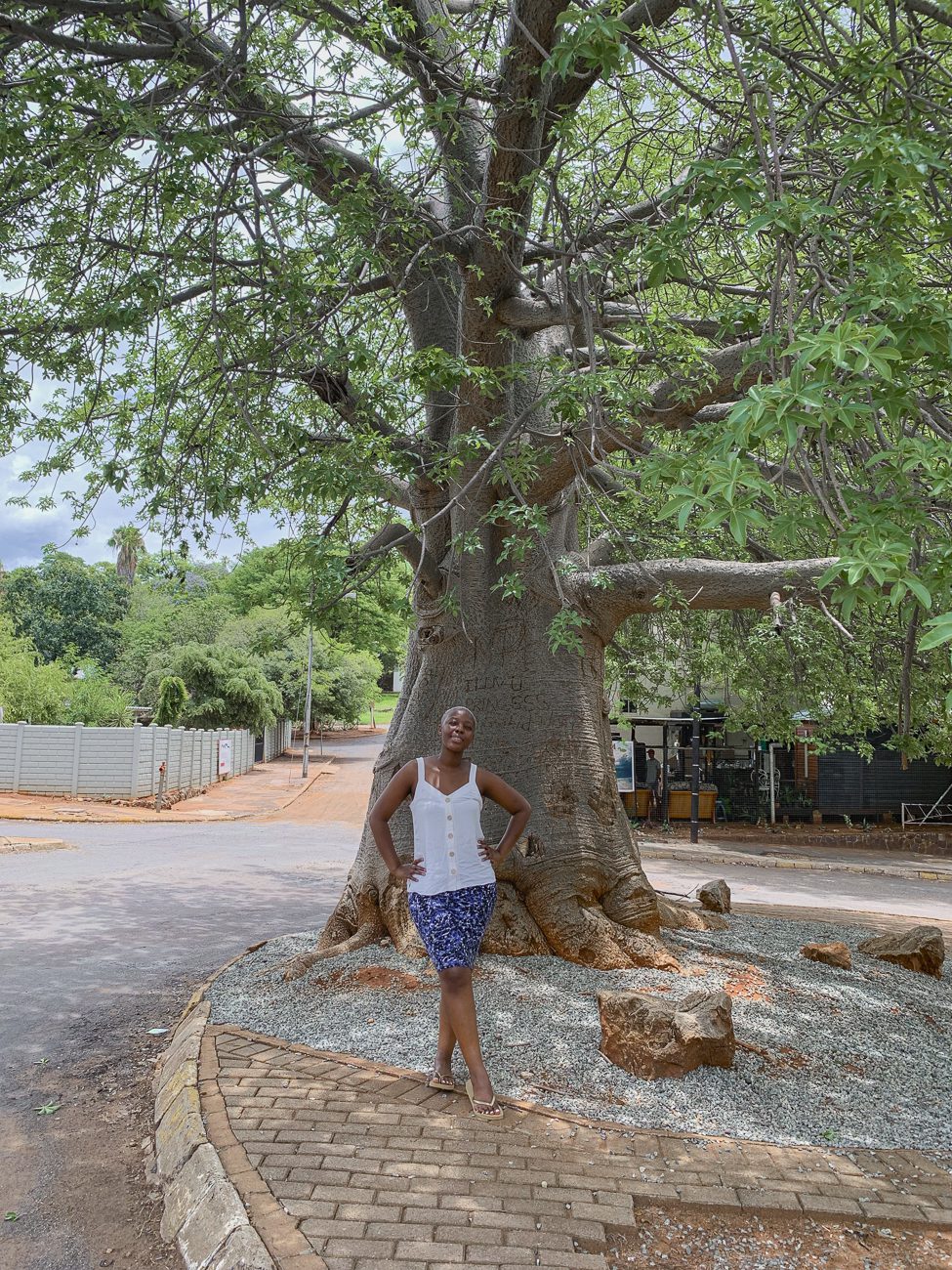
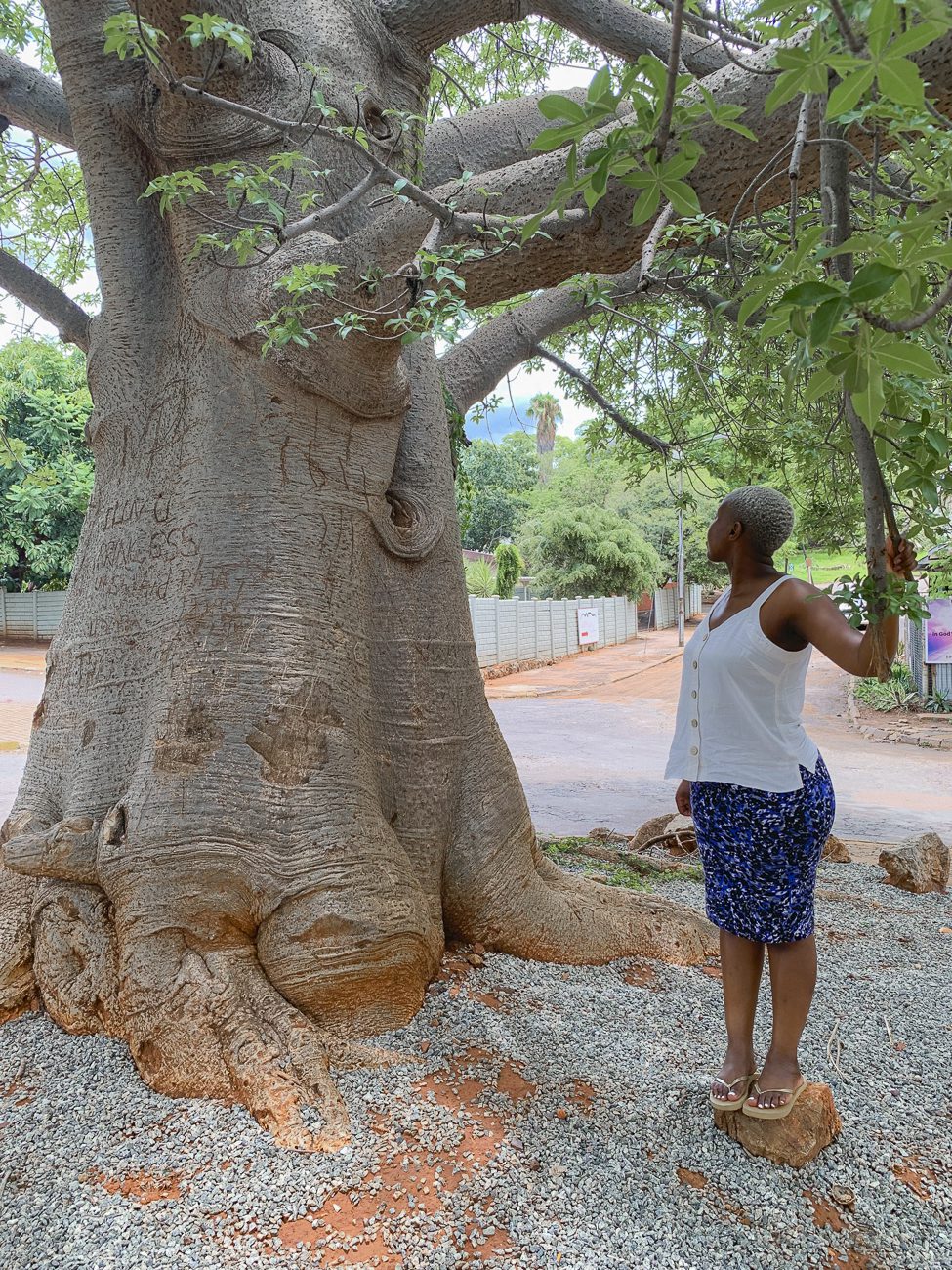
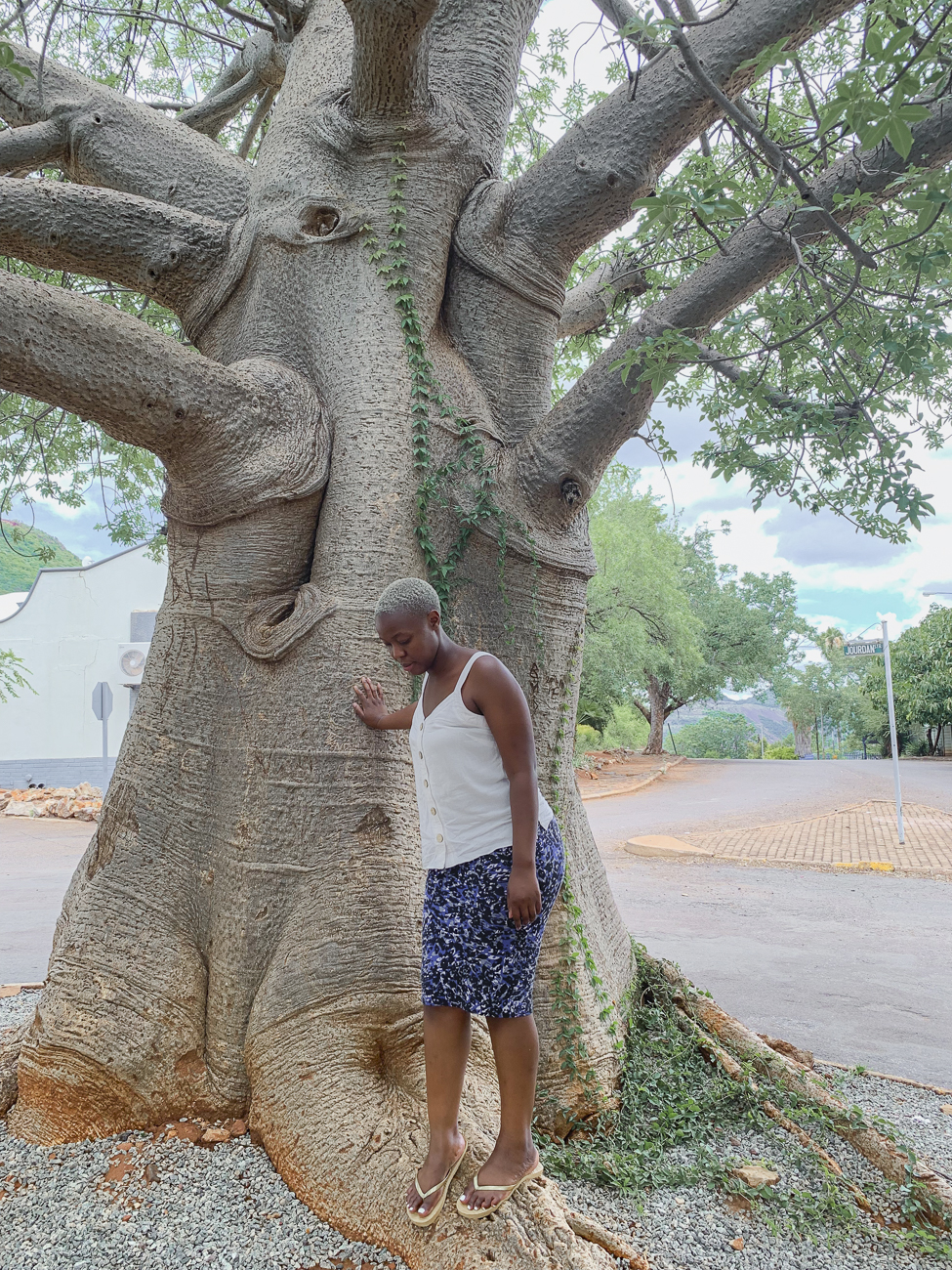
So when I returned in January 2024 and spotted a baobab, I had to stop. This time, I could not let it slip away. I pulled over, walked towards it, and stepped into its shade. Its trunk, weathered and strong, seemed to whisper stories of centuries gone by. Its branches reached out like arms ready to gather me in, I hugged it back, holding on to it as though it was an old friend.
In this piece, I want to share not only the 7 powerful baobab fruit powder benefits but also why this African fruit matters. Because when we hold the baobab close; whether as children with the fruit in our hands or as adults seeking health and healing, we are reminded that wholeness is possible and that nature has always been on our side.
Memories and Lessons from My Ancestors from Venda
Before I tell you about the health benefits of baobab fruit, I want to take you back to my roots in Venda, to the lessons passed down by my ancestors.
As a child, there was only one place I could taste the baobab fruit, or mbuyu as we called it. It was at my grandmother’s village. My cousins and I would gather under the shade of her yard, hands sticky with dust, joyfully sucking on baobab seeds until every trace of the powdery pulp dissolved on our tongues. Afterwards, we’d run off again, barefoot, building little worlds out of mud and sticks, simple games filled with joy.
Back then, I didn’t know that the baobab fruit carried a much deeper meaning in Venda culture as I do now. If you ever have the privilege of sitting down with an elder from Venda, they would regale you with tales of how the baobab fruit was cherished during times of food scarcity. The fresh baobab fruit was used for sustenance during lean times. The secret behind its remarkable shelf life was a wondrous gift from nature itself; If stored properly, the dried baobab fruit pulp could last for several years without spoiling, providing nourishment for years to come. These whole pieces of dried baobab fruit were often stored in baskets, waiting for the times they were most needed.
A secret known only to the wise and the experienced was the infusion of the baobab tree bark in water. This concoction was used to wash newborn babies, a venda tradition believed to promote rapid growth and strong bones. Just like the baobab trunk that thickens with age, unhurried yet unshaken.
As I grew older, those visits to my grandmother’s village became rare. I moved to another country, and the tang of baobab fruit became a distant memory. Yet the allure of it; the taste, the stories, the power it carried never left me.
Now, as an adult, I find myself circling back. I want to know more about this fruit that sustained my people, this superfood that modern science is only beginning to celebrate. Baobab powder, with its tart brightness and nutrient-rich gifts, is more than just something I add to smoothies. It is a piece of my history and a taste of home.
I believe my journey with baobab (mbuyu) has only just begun. There is still so much to learn, so much to uncover about this extraordinary fruit. Each step feels like a reconnection not just to health, but to heritage, to the wisdom of my ancestors, and to the roots that will always ground me. I’m here to share it with you.

What Is Baobab Fruit?
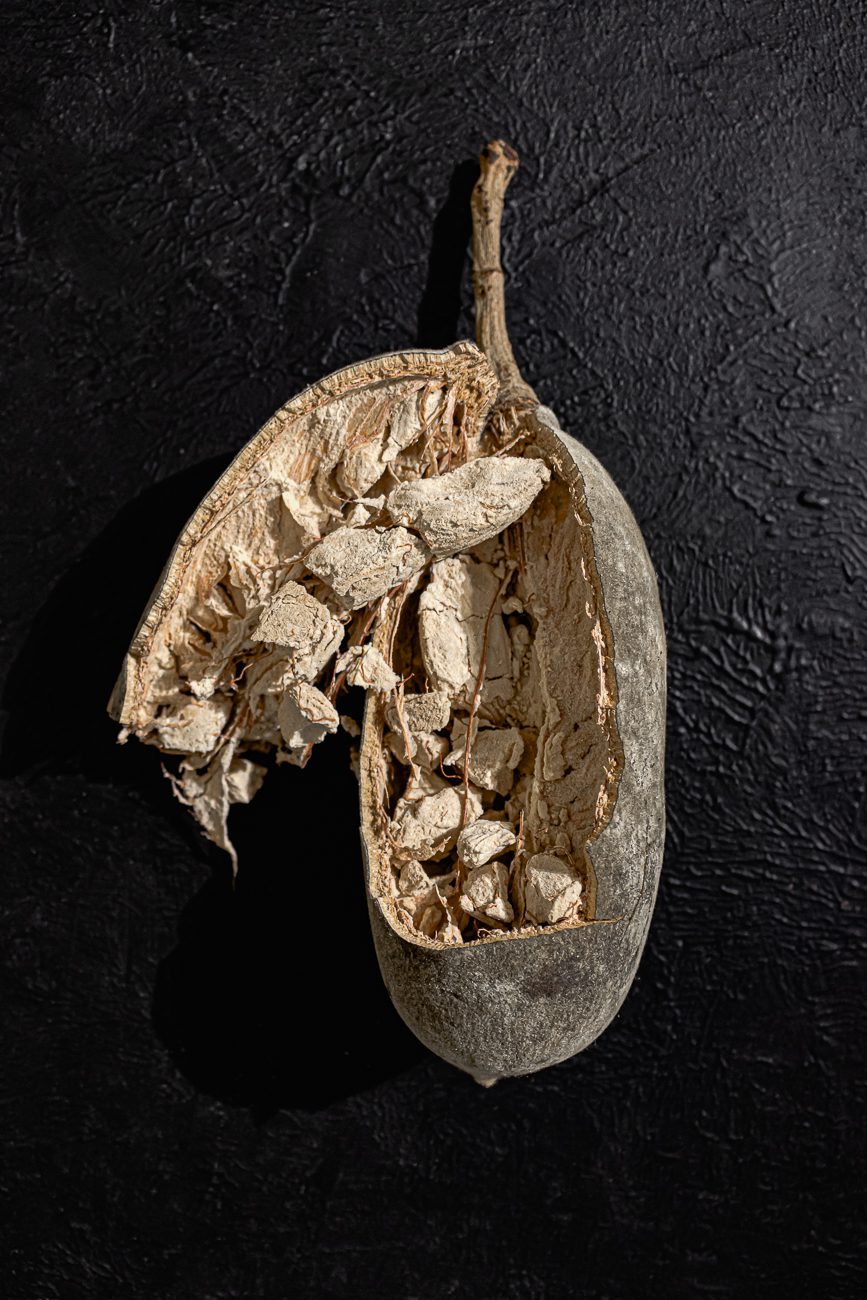
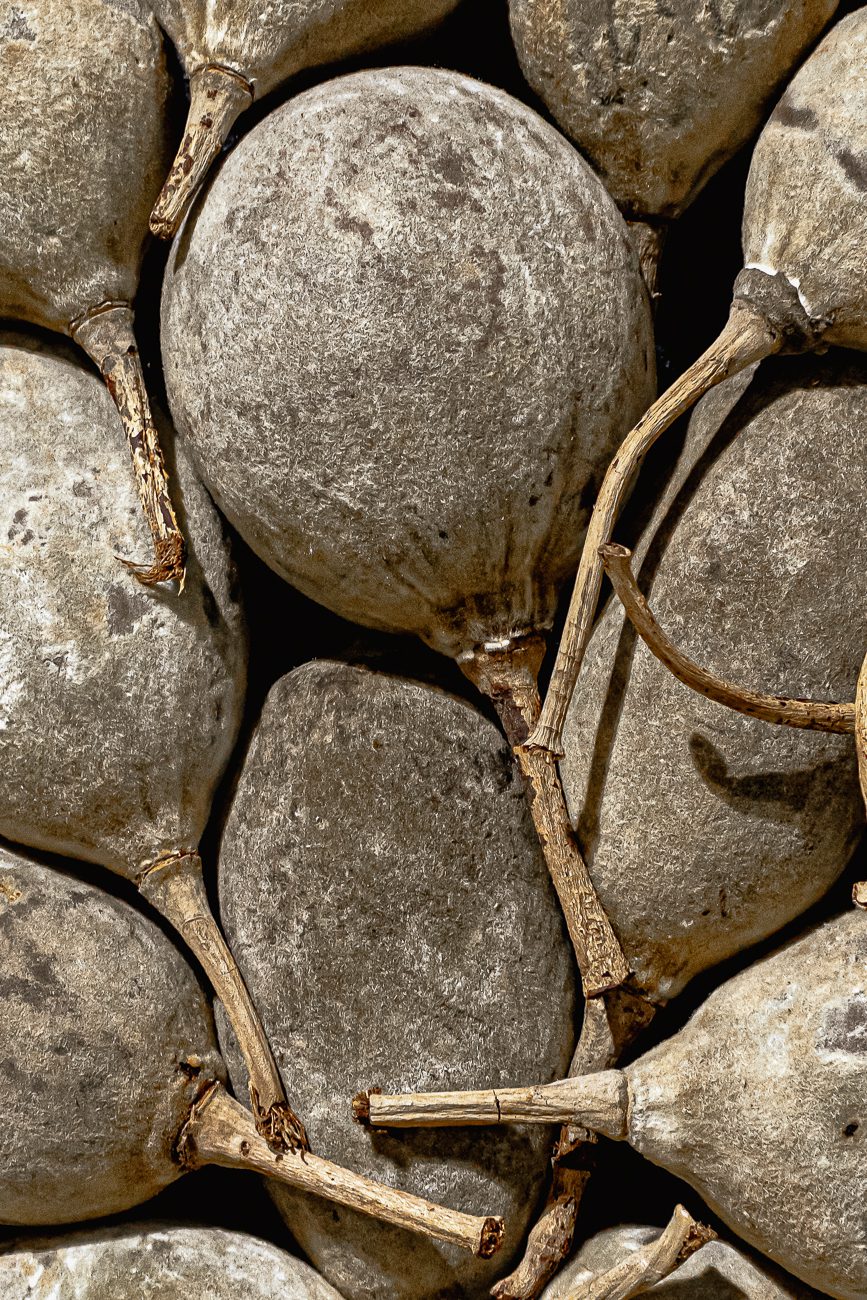
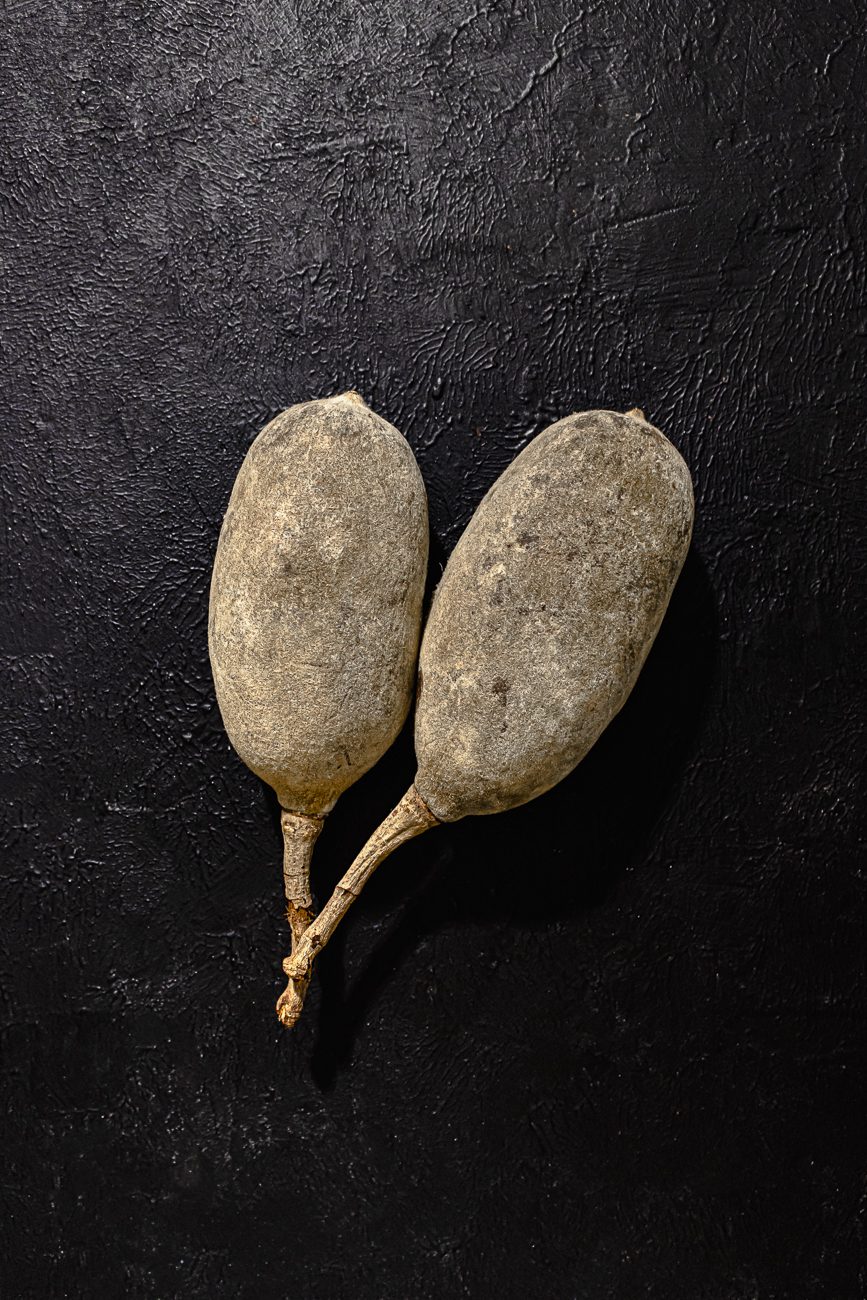
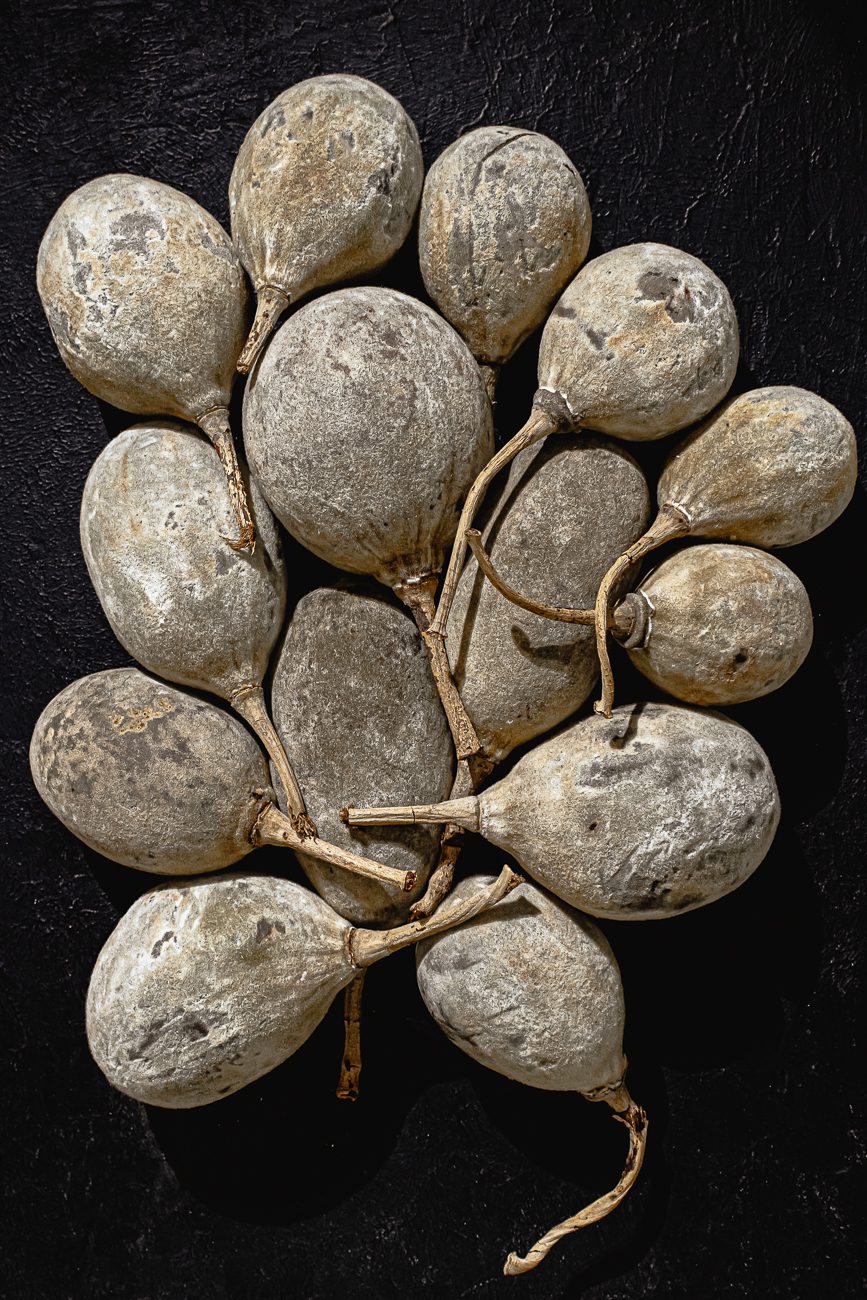
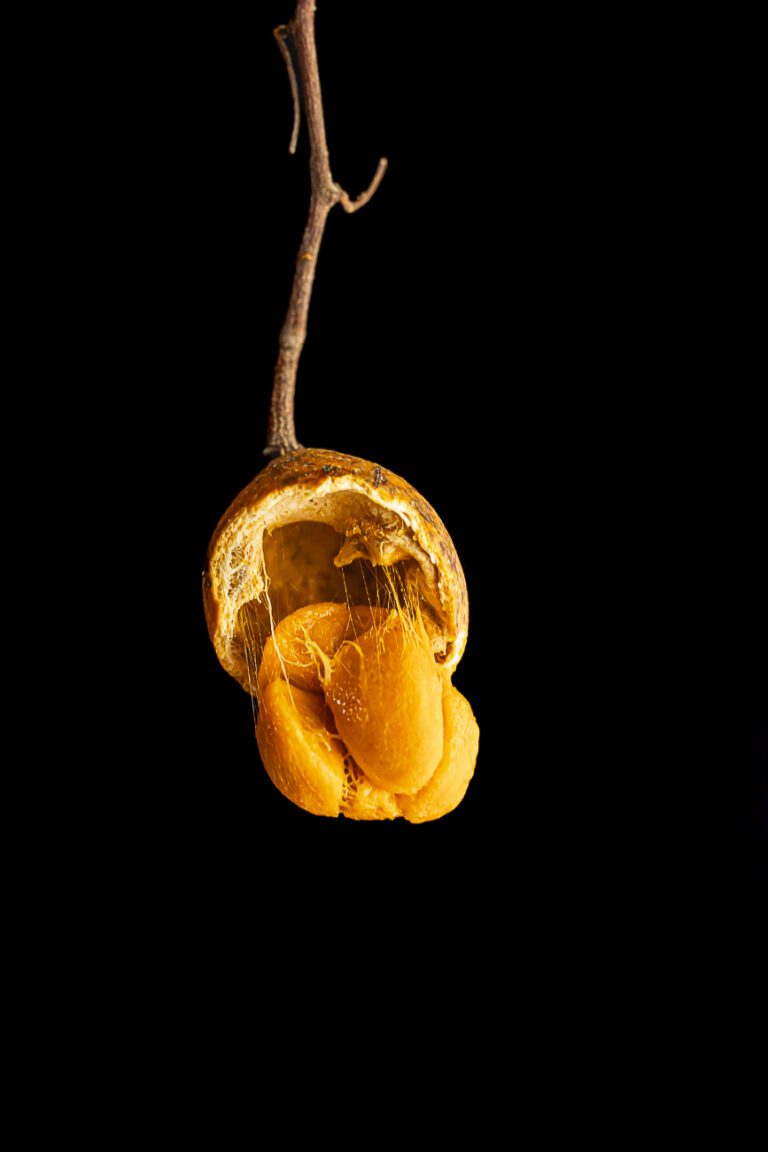
From this mighty tree comes its most cherished treasure: the baobab fruit. The fruit itself hangs like velvety green pods, ripening slowly under the African sun until the shell hardens like wood. Inside, the pulp and seeds carry their own beautiful story. The fruit pulp dries naturally on the tree; no fire, no sun-drying, only time and patience. When the pod finally cracks open, the whole fruit reveals chalky, tangy pieces that crumble in your hand, their taste both sharp and sweet. For a child, it was a simple delight. For our ancestors, it was sustenance and for the world today, it is becoming a celebrated superfood.
1. A Rich Source of Vitamin C
As children, we never thought of nutrition, we only thought of taste. Its sharp tang made us pull faces and laugh, yet we always went back for more. We didn’t know it then, but that playful snack was silently boosting our immune system.
The baobab fruit is one of the most concentrated natural sources of vitamin C in the world. In fact, the fruit pulp of Adansonia digitata contains up to six times more vitamin C than an orange. For communities where baobab trees grow, this meant more than just flavour, it meant strength. It was a natural source of vitamin C that kept immune systems strong, skin healthy, and energy steady, even during seasons when fresh fruit was scarce.
No wonder the global market for baobab fruit has grown so quickly. The rising demand for baobab shows that what was once local wisdom is now a worldwide treasure
2. High in Fibre for Gut Health
In Venda, meals were simple: porridge, beans, wild greens. Yet somehow, even with little, our elders carried remarkable strength. The powdery baobab pulp clung to our tongues, leaving that unmistakable tang, and though we didn’t know the science then, our bodies understood. We were being nourished in ways far deeper than taste.
The baobab fruit pulp is natural source of fiber, both soluble and insoluble. This makes it a gentle but powerful friend to the gut. A single spoonful of baobab fruit powder is enough to support digestion, slow down the release of sugars into the blood, and leave you feeling full for longer. Modern studies suggest that the effects of baobab may even help maintain healthy blood sugar levels, making it a quiet ally in a world of fast food and quick energy fixes.
For generations, the use of baobab in African diets wasn’t about health trends or gut-friendly buzzwords. It was instinct, passed down through tradition, a knowing that what came from the land could keep the body whole. Today, science confirms what elders once told us by the fire: that fruit pulp may help heal the gut, strengthen the immune system, and create a foundation for overall wellbeing.
3. Packed with Antioxidants
When I stood beneath the baobab tree in 2024, its branches stretched wide above me, weathered but unbroken. I thought of how this tree has endured scorching heat, long droughts, and the passing of centuries and still stands tall. It struck me then that the tree’s gift to us, its fruit, carries that same resilience within.
The baobab fruit pulp is bursting with antioxidants, nature’s way of protecting the body against stress, fatigue, and the slow wear of time. Baobab is packed with antioxidants that help shield our cells from damage, support heart health, and even bring out a natural glow in the skin. These are the quiet, unseen protectors in our diet, working in the background to keep us strong.
In my childhood, I didn’t know the word “antioxidant.” What I knew was how radiant my grandmother’s skin looked, even after years of laboring under the sun. I knew the strength of elders who could walk for miles without tiring. Looking back now, I realise that the health benefits of baobab were already woven into their lives in the tang of mbuyu, in teas and juice made from the seeds and pulp, in the meals enriched with the pulp of baobab.
4. Supports Balanced Energy & Blood Sugar
As children, we would play for hours under the hot African sun, running barefoot through dust and grass until our legs ached. Our games would pause only when low energy caught up with us. That’s when we reached for tangy powdered baobab fruit. Somehow, after a handful of those chalky pieces, our energy returned. We didn’t crash. We didn’t tire. We simply carried on, laughter echoing across the fields.
Now I understand why. The baobab fruit pulp powder releases its natural sugars slowly, unlike the sharp rush of modern sweets. This means it helps keep energy steady, rather than sending it soaring and crashing. Science confirms what our bodies already knew: the effects of baobab can support healthy blood sugar levels and balanced energy throughout the day. One study even found that adding baobab to foods like smoothies can slow down the release of sugars into the blood, offering sustained fuel for both body and mind.
In a world that constantly pushes us toward quick fixes: coffee jolts, sugary snacks, endless caffeine, the baobab may be a gentler, wiser alternative.
5. Mineral-Rich for Whole Body Health
The first time I wrapped my arms around a baobab tree, I felt its strength in my bones. Its trunk solid, its roots unshaken, its presence grounding. As an adult, It make me appreciate why its called the Tree of Life. Not just because it gave shade or fruit, but because it nourished the body in ways as steady and enduring as the tree itself.
The mineral composition of baobab is remarkable. The baobab fruit pulp is naturally rich in calcium, magnesium, potassium and iron; minerals that strengthen bones, support heart health, and keep the body in balance. The seeds of the baobab and even its leaves carry their own gifts, making the inclusion of baobab in traditional diets a gentle but powerful form of medicine. This includes the production of baobab oil, a nourishing remedy for skin that shows how deeply the tree heals, inside and out
Modern science has given language to what African tradition always knew: the properties of baobab make it a natural multivitamin, a way of sustaining the body from the inside out. From heart to skin, from muscles to nerves, the health benefits of baobab extend to the very foundations of our wellbeing.
6. Anti-Inflammatory Power for Recovery
Stand beneath a baobab tree after a storm, and you’ll see its secret: it doesn’t fight the wind, it absorbs it, bends with it, and remains unbroken. This tree has weathered centuries of storms, yet it still stands calm and strong. Its ability to endure mirrors the way its fruit supports our bodies when we face stress and strain. The baobab fruit offers calm to our bodies,
The polyphenol-rich baobab fruit is known for its anti-inflammatory compounds. Modern research suggests that baobab may help reduce inflammation in the body — easing discomfort, soothing tired muscles, and supporting recovery after exercise. As someone who knows the ache of sore muscles after long walks or workouts, I find this quality deeply encouraging. It feels as if the baobab is offering us the same resilience it holds in its trunk and roots.
This makes baobab fruit powder an ideal addition to an anti-inflammatory diet, or even as part of a simple post-exercise routine. Sprinkle it into a smoothie, stir it into water, or blend it with yogurt, and let it be more than fuel to your body, let it be recovery.
Because just as the baobab tree doesn’t wither under pressure, neither should we. With its glorious strength, the baobab teaches us that healing is possible, and endurance can be gentle.
7. Enhances Nutrient Absorption
The baobab tree has always been generous, never keeping its gifts to itself, but sharing them in ways that multiply life. Its fruit carries that same spirit. The high vitamin C content of baobab doesn’t only strengthen the body directly; it also helps us draw more goodness from other foods. Iron, in particular, is absorbed more effectively when eaten with baobab.
Researchers have found that adding baobab to meals can increase nutrient uptake, transforming something ordinary into something deeply nourishing. It’s as though the baobab fruit pulp quietly whispers to other foods, “Give a little more.”
This is what I love most about baobab fruit powder — it doesn’t stand alone, it collaborates. A smoothie, a bowl of oats, even a glass of water becomes more than the sum of its parts once baobab is stirred in. It reminds me that health is not just about what we eat, but how each part works together to strengthen the whole.
Where to Buy Baobab Powder
Baobab powder is now available almost anywhere in the world. You’ll often find it in health food stores, African supermarkets, or easily online.
In the UK, I recommend Unrooted Drinks (who kindly sent me sachets to try) they are doing an incredible job in bringing baobab products into everyday wellness in creative ways and Aduna Baobab Powder, both offering high-quality, convenient options.
Wherever you buy it, look for pure baobab powder with no fillers, a simple way to bring the story and nourishment of the tree of life into your kitchen.
Returning to the Roots
When I think of the baobab tree, I feel the presence of something timeless. It has sheltered generations, fed families in scarcity, healed bodies with its leaves and bark, and offered joy to children with sticky hands and laughter on their lips.
Today, we name its gifts in scientific terms: vitamin C, fibre, antioxidants, polyphenols, minerals. We talk about gut health, steady energy, nutrient absorption, and recovery. But beyond the research and the labels, the health benefits of baobab are part of something much larger. They are reminders that nature already holds what we need to thrive.
For me, it connect me to my heritage. It connects me to my village, to the laughter of my cousins, to the wisdom of my elders, and to the endurance of the tree of life itself.
This is the gift I want to share with you. Whether you stir pure baobab into your morning smoothie, sprinkle it over yogurt, or sip it as a tea, know that you are partaking in a story that is centuries old, a story of survival, strength and generosity.
The baobab could be just another superfood trend or it could be what it has always been: a teacher, a healer, a reminder of how deeply we are connected to the land and to one another.
I hope this has been enlightening

Your writing transported me into a culture I am never likely to see wonderful. I have just found your blog and have just joined it, Thank you and look forward to reading and trying your recipes. Evelyn
,
Thank you so much Evelyn!