Brioche French Toast (eggy bread)
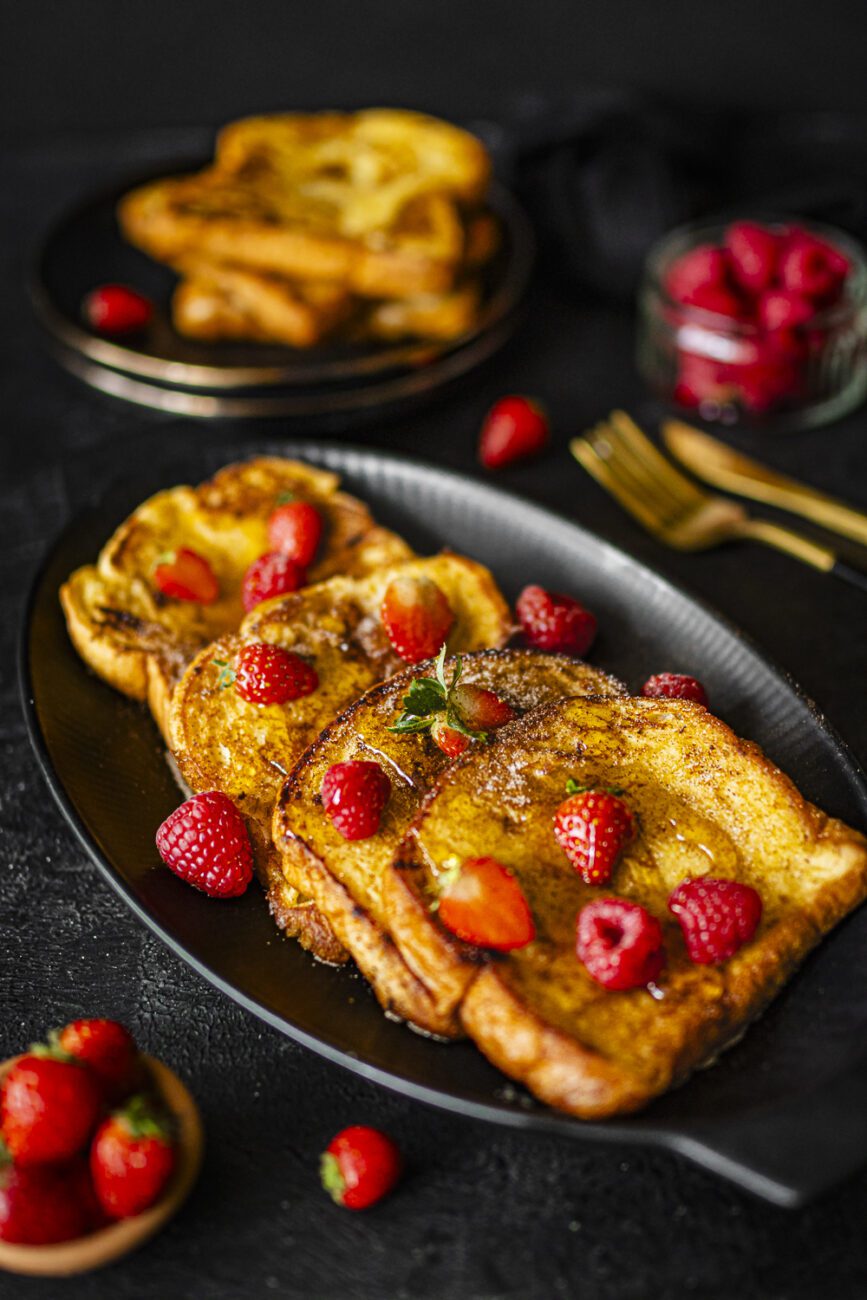
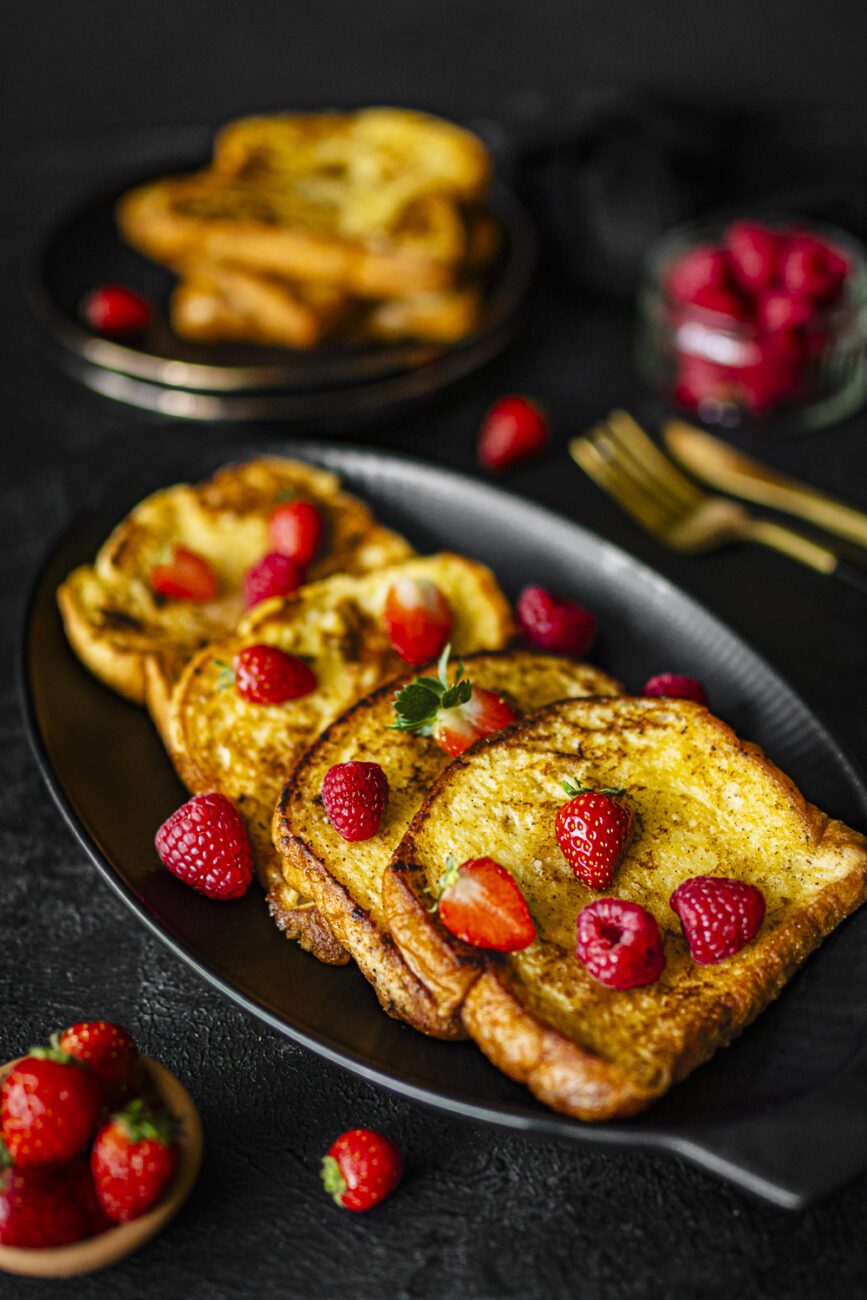
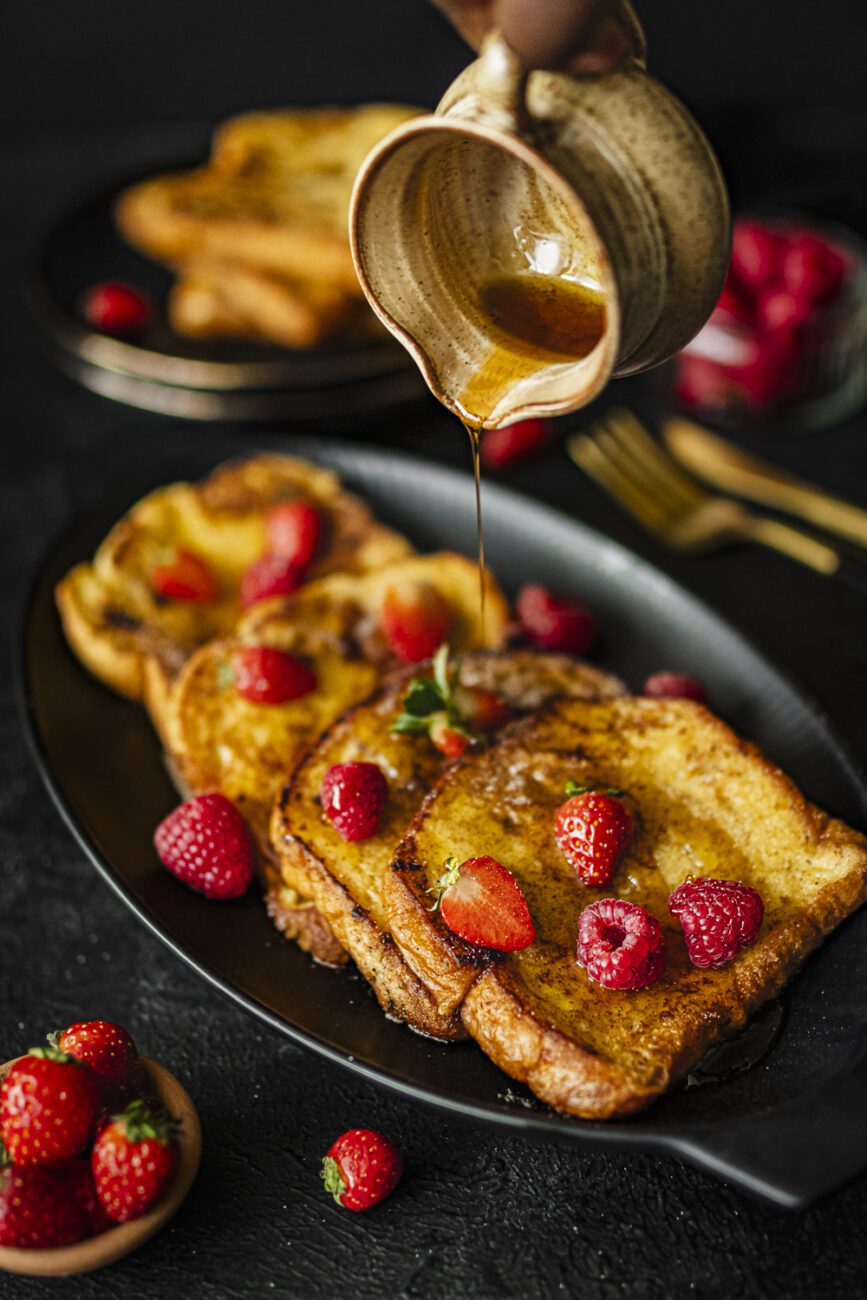
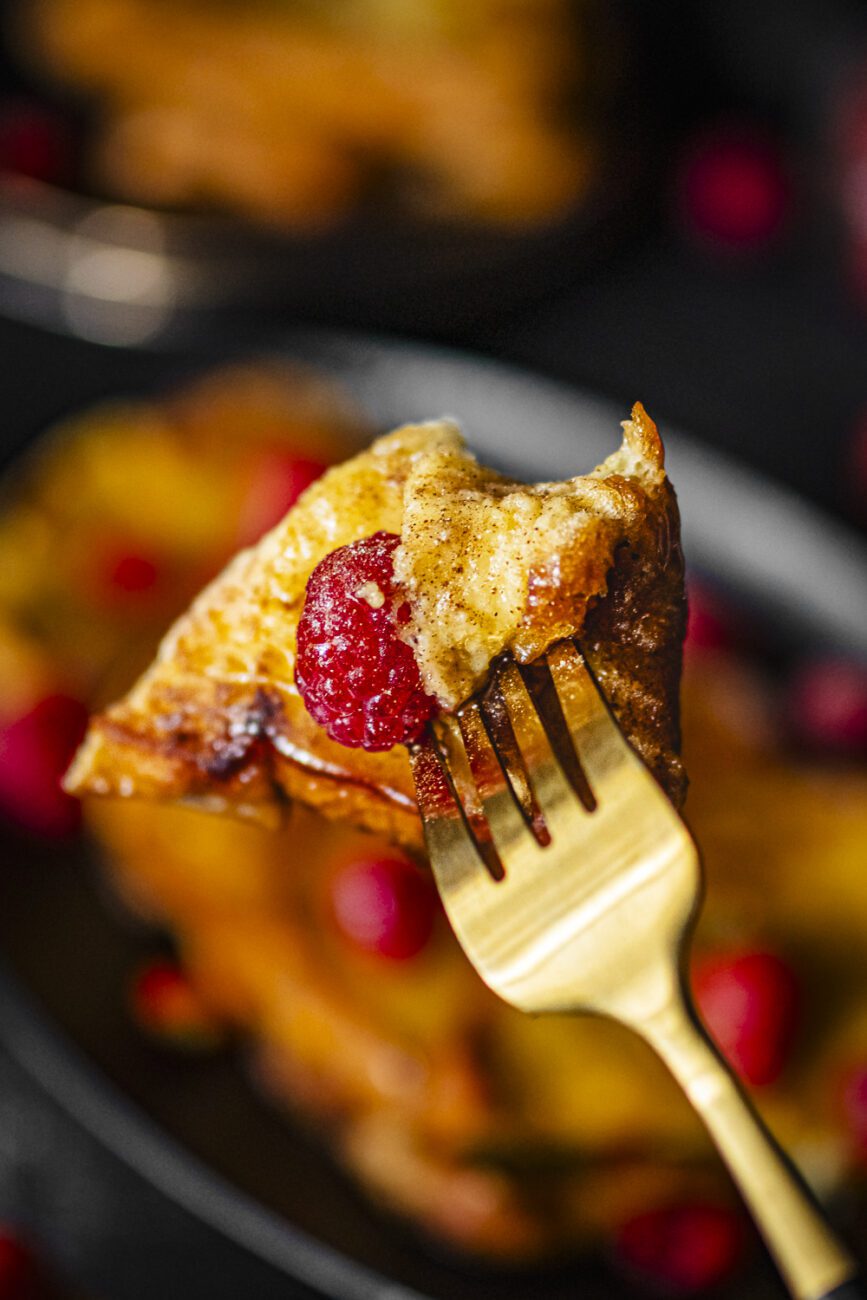
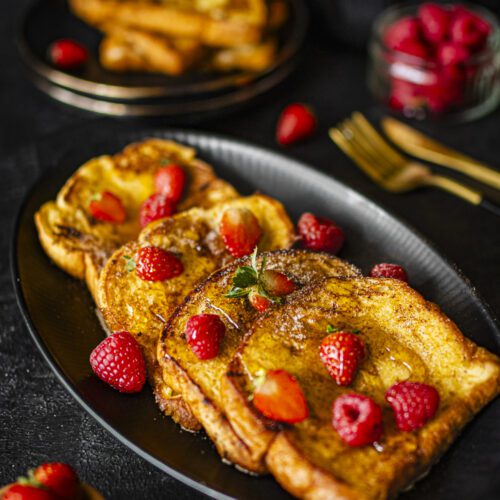
Brioche French toast paired with fresh strawberries and raspberries, a sprinkle of cinnamon sugar, and a drizzle of maple syrup over pillowy slices of brioche bread. A breakfast that feels like poetry on a plate.
When I think of eggy bread, my mind immediately transports me back to the precious moments I spent with my nan. She was a remarkable woman, deeply rooted in her African heritage and enjoyed her African indigenous diet, rooted in the traditions of our ancestors. But there was something about French toast that captivated her heart.
I can vividly recall the first time she made it for me. I watched in awe as she expertly dipped thick slices of bread into an egg and creamy milk mixture, then skillfully sizzled them in a skillet until they turned a perfect golden brown, transforming into a delectable French toast recipe.
She would often reminisce about her days of indulging in eggy bread while living in Johannesburg. In those days, she worked tirelessly, striving to make ends meet. During the turmoil of apartheid, she found comfort in the simple pleasures, like enjoying a plate of warm and comforting easy French toast.
How she discovered eggy bread, I wondered. Was it purely by chance, or perhaps a taste she acquired while working in a white man’s kitchen? Nan never spoke much about the harsh times, but her radiant smile, whenever she brought out the golden-brown slices of heaven, spoke volumes.
Fun facts and history on eggy bread
Eggy bread, also know ” Brioche French toast” in some regions, has a rich and fascinating history that dates back centuries. While it is unclear exactly where and when French toast originated, it is believed to have roots in ancient Roman cuisine. The Romans would soak stale bread in a mixture of milk and eggs before frying it up.
Throughout history, French toast has been a popular dish in many cultures and has been called by different names. In France, it is known as “pain perdu,” which translates to “lost bread.” This name represents the idea of using stale or leftover bread to create a delicious and satisfying brunch meal.
In the Middle Ages, eggy bread became a staple in European households, especially during Lent. It was a way to make use of leftover bread and avoid wasting food. French toast was often topped with honey or other sweet ingredients to add flavour.
Throughout history, eggy bread has been prepared in various ways and with different ingredients. In some regions, it is made with brioche or challah bread, while plain white bread is used in others. Adding spices like ground cinnamon and nutmeg, as well as toppings such as fresh berries, powdered sugar, whipped cream and maple syrup, to further enhance the flavours of this delightful dish.
Variations and Toppings for Easy eggy bread
One of the joys of this brioche toast is its versatility. Here are a few ideas to inspire your easy eggy bread recipe:
- Nutella and banana: You can Spread a layer of Nutella on each slice of bread before dipping it into the egg mixture. Top with sliced bananas and drizzle with maple syrup. This is a non-vegan option.
- Apple cinnamon: Add a touch of warmth by mixing in diced apples and a sprinkle of cinnamon into the egg mixture. Serve with a dollop of whipped cream and a dusting of cinnamon sugar.
- Savoury twist: Mix shredded cheese, herbs, and a pinch of salt and pepper into the egg batter. Serve with avocado or sautéed mushrooms for a delicious brunch option.
- Tropical paradise: Replace the traditional berries with tropical fruits like mango, pineapple, and kiwi. Top with shredded coconut and a squeeze of lime for a refreshing twist.
Tips for making the best Brioche French Toast
Final Thoughts on Brioche french toast
Cinnamon French toast — or eggy bread, depending on what you call it is proof that the simplest foods often hold the most meaning. It’s breakfast, yes, but it’s also nostalgia, comfort, and connection served on a plate.
Whether you’re making it to gather your family on a slow Sunday morning, to remind yourself of a grandmother’s love, or simply to turn leftover bread into something magical, each golden slice carries more than flavour. It carries story, heritage, and joy.
So the next time you whisk eggs with cinnamon, remember: You’re continuing a tradition that has stretched through centuries, across borders and into your kitchen today.
Did you make this recipe?
If you tried this recipe, be sure to rate it and leave a comment below! Save recipe for later on Pinterest.
Brioche French Toast
Equipment
- Large mixing bowl or shallow dish (for custard)
- Whisk or fork
- Large skillet, griddle or nonstick pan
- Spatula
- Baking sheet and oven (optional, to keep warm)
Ingredients
- 8 slices brioche or thick white bread ≈ 2–2.5 cm / ¾–1 in thick
- 4 eggs large
- 1 cup whole milk ≈ 240 ml milkdairy whole milk or soy/oat milk
- 1 tsp vanilla extract ≈ 5ml
- ½ tsp ground cinnamon ≈ 2–3 g
- ⅛ tsp sea salt a pinch
- 30 g unsalted butter ≈ 2-3 tablespoon or (plus extra for the pan (or 2 tbsp coconut oil)
- ¼ cup strawberries ≈ 35-40g fresh strawberries, hulled & sliced
- ¼ cup raspberries ≈ 35–40 g raspberries (or use 1 cup mixed berries if you prefer more fruit
- 1 tbsp maple syrup or golden syrup per serving to drizzle
- Optional: powdered sugar whipped cream or extra butter for serving
Instructions
- Preheat your skillet or griddle over medium heat.
- If you plan to keep finished slices warm, preheat the oven to 90–95 °C (200 °F) and place a baking sheet inside.
- In a large shallow bowl, whisk together the eggs, milk, vanilla, ground cinnamon and a pinch of sea salt until evenly combined and slightly frothy.
- Working 2–3 slices at a time, lay each slice of brioche into the custard. Let it soak 5–10 seconds per side for thin/thirsty bread, or 10–20 seconds per side for extra-thick brioche. Don’t let it sit so long that it falls apart you want the center moistened but not dripping.
- Add 1 tbsp butter (or coconut oil) to the preheated pan. When it sizzles, place the soaked slices into the skillet (don’t overcrowd).
- Cook 2–3 minutes on the first side until deep golden brown, then flip and cook another 2–3 minutes on the second side. Adjust heat as needed — medium-low keeps the inside cooked without burning the outside.
- Repeat with remaining slices, adding more butter between batches.
- Transfer finished slices to the warm oven-lined baking sheet to hold while you finish the rest.
- Stack 2 slices per plate (or 4 if you prefer). Top with strawberries and raspberries, drizzle with maple syrup, and finish with powdered sugar or a dollop of whipped cream if desired. Serve immediately. Enjoy!
Notes
- Bread choice: Slightly stale or day-old brioche soaks up custard without falling apart. Cut slices about 2 cm / ¾–1 in thick for best texture.
- Soaking time: Thicker slices need longer soak; keep an eye on structure so they don’t become soggy.
- Temperature control: If the outside browns too quickly before the inside cooks, lower heat a little and cook longer.
- Flavour variations: Add 1 tbsp orange zest to the custard, or swap maple syrup for date syrup or honey.
- Storage: Cooked French toast keeps in the fridge 2 days; reheat on a skillet or in a 180 °C/350 °F oven for a few minutes to crisp.