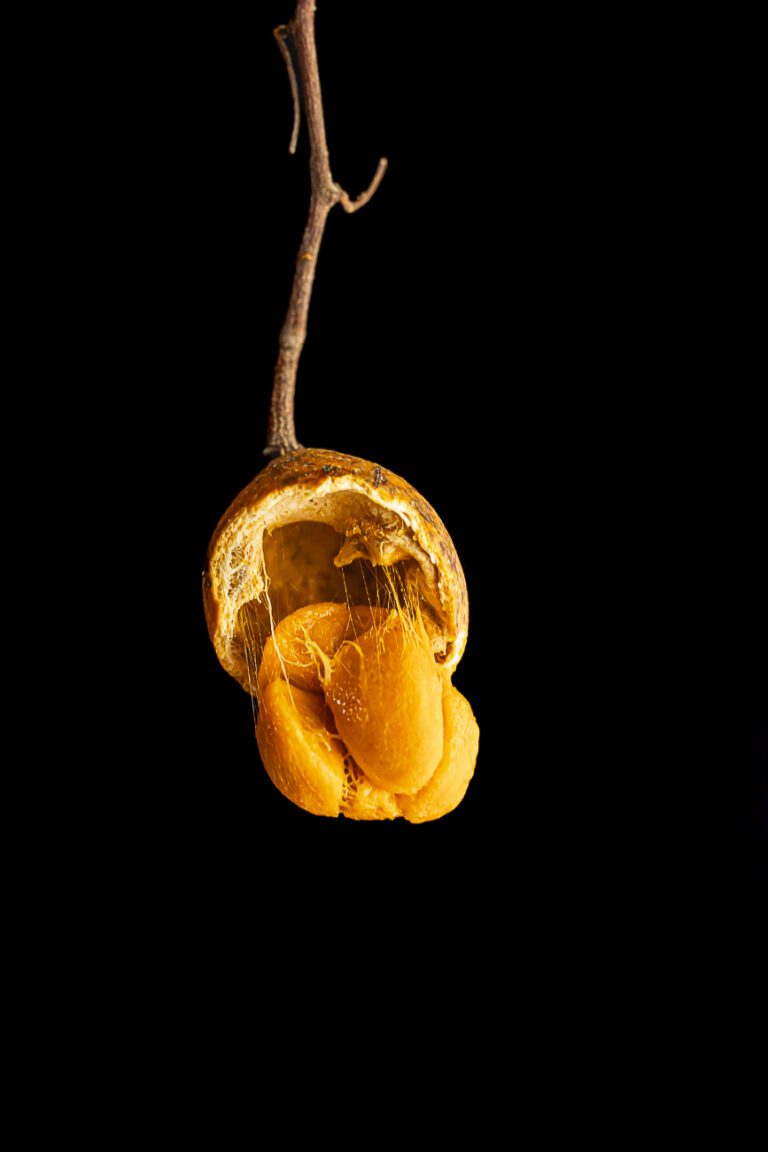
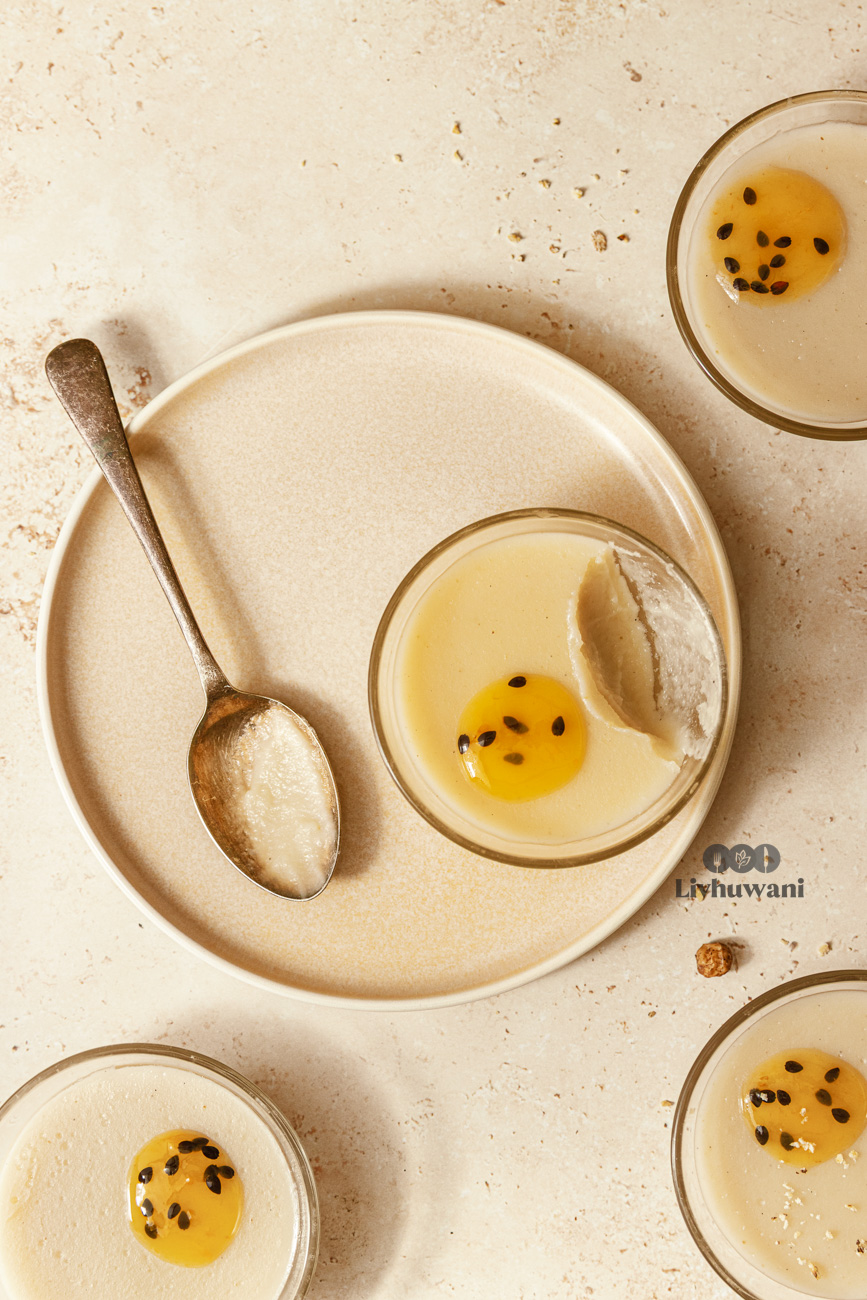
Are we treating our heritage like a museum piece? (Indigenous African ingredients)
Reflections on African food culture, indigenous African ingredients and bringing heritage foods into modern kitchens.
Have you ever noticed how easy it is to treat our heritage like a museum piece?
We place old family recipes, traditional ingredients, and childhood food memories behind glass. We admire them from a distance. We tell stories about them. We celebrate them during heritage months and cultural festivals.
But we rarely invite them into our everyday lives.
We look backwards to find our roots, forgetting that roots have never existed for their own sake. Roots are there to feed what is growing now.
As Africa Month comes to a close, I have found myself returning to this question again and again.
What does it actually mean to preserve a food culture?
For years, I thought preservation was mostly about memory. Holding onto recipes, recording stories, photographing ingredients before they disappeared.
Now I think it is something more active than that.
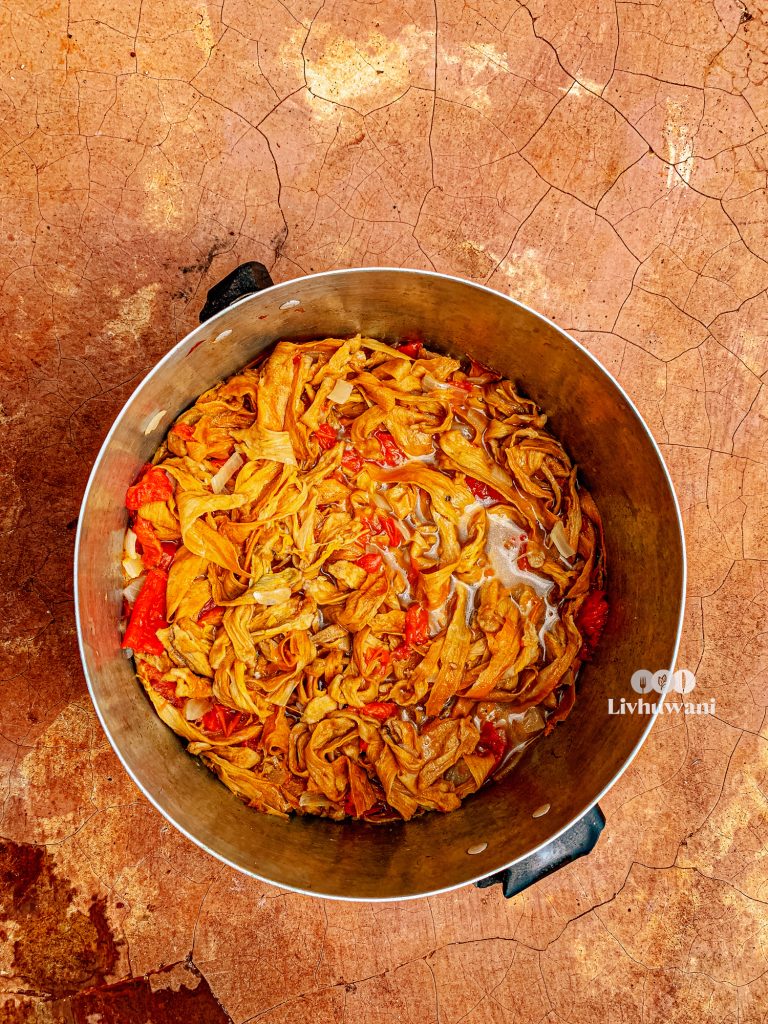
Preservation happens when traditions leave the archive and return to the table.
It happens when an ingredient survives not because it is remembered, but because it is cooked shared, adapted and passed forward.
There is a beautiful line by culinary historian Jessica B. Harris in her book High on the Hog that has stayed with me:
“Soul food, it would seem, depends on an ineffable quality. It is a combination of nostalgia for and pride in the food of those who came before.”
Nostalgia and pride. That combination feels important because nostalgia on its own can turn food into a relic.
Pride gives it a future.
As a food photographer, that idea of combining nostalgia with deep pride challenges me every time I look through the lens.
It makes me ask:
How do we photograph that ineffable quality? How do we frame an ingredient so it doesn’t look like history, but like the future?
How do you frame it in a way that feels alive?
How do you make someone see an indigenous ingredient not as history, but as possibility?
If recreating a dish is an act of preservation, then framing it is an act of visual reclamation.
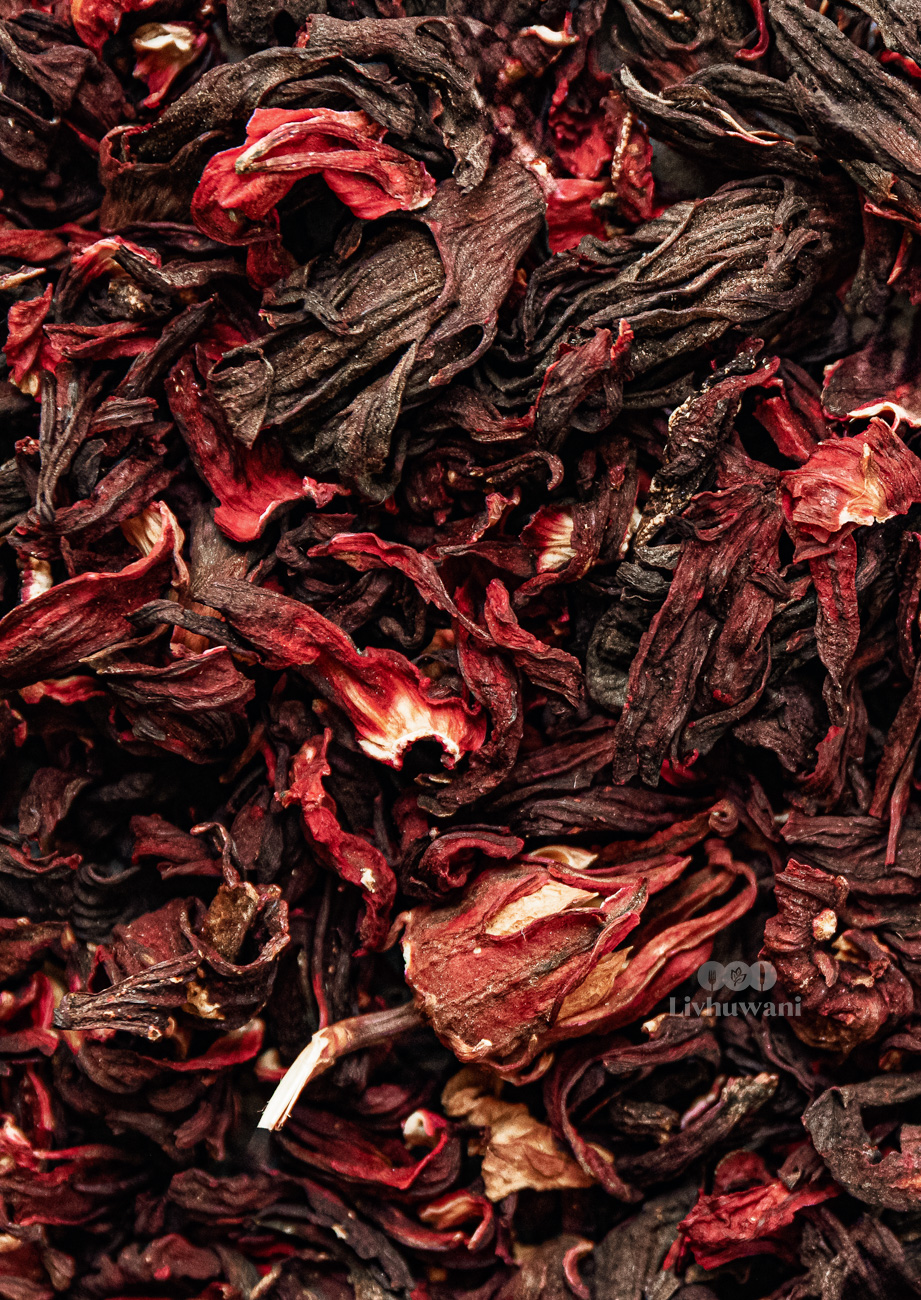
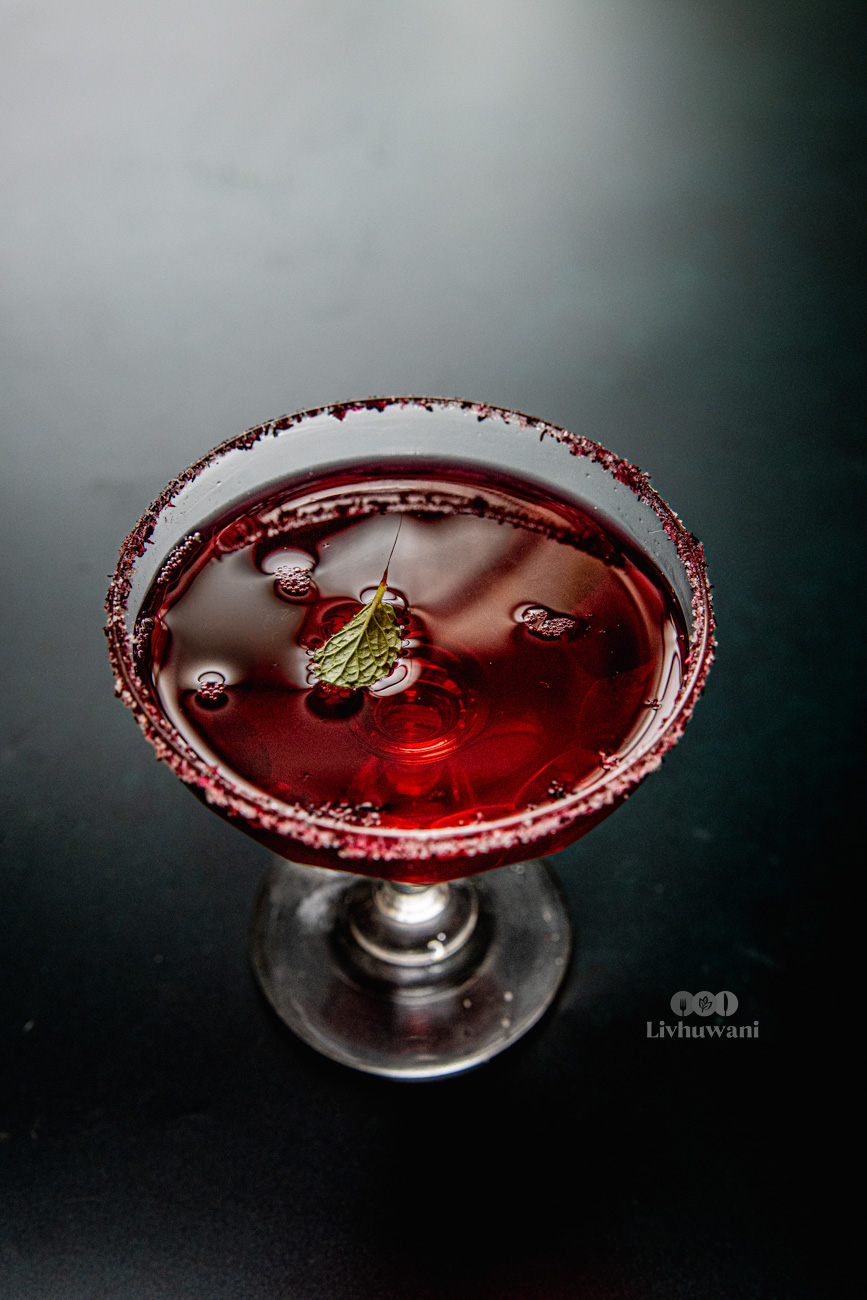
That was the shifting point for me when I was art directing and capturing the imagery for TAMU: A Journey Through Africa’s Plant-Based Cuisine by Jane Nshuti.
When I was art directing and photographing the book, my goal wasn’t simply to document recipes.
I wanted to place African ingredients in a different light.
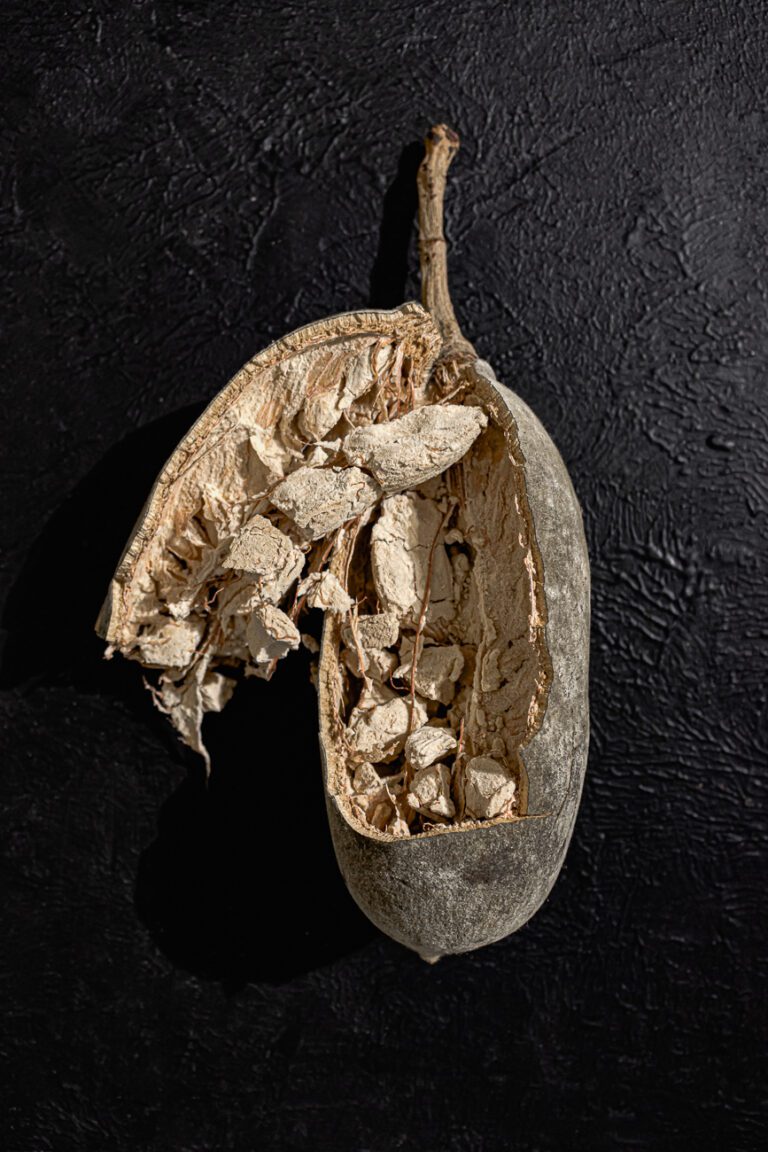
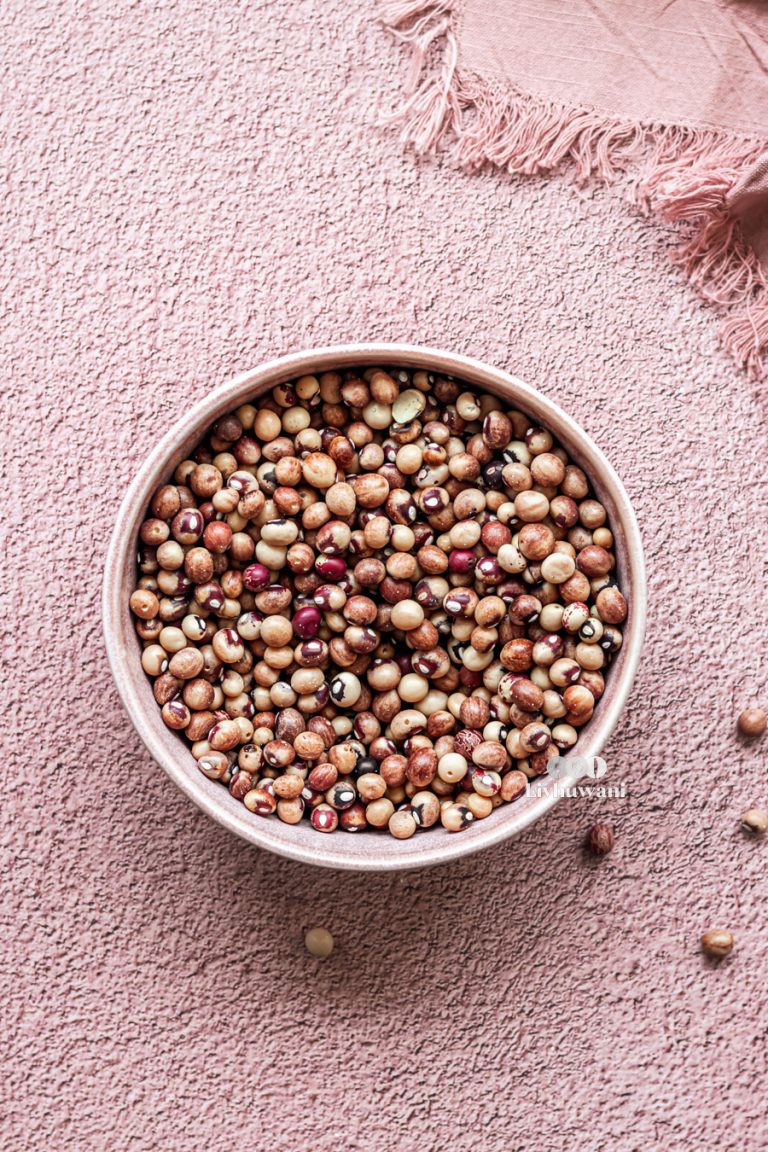
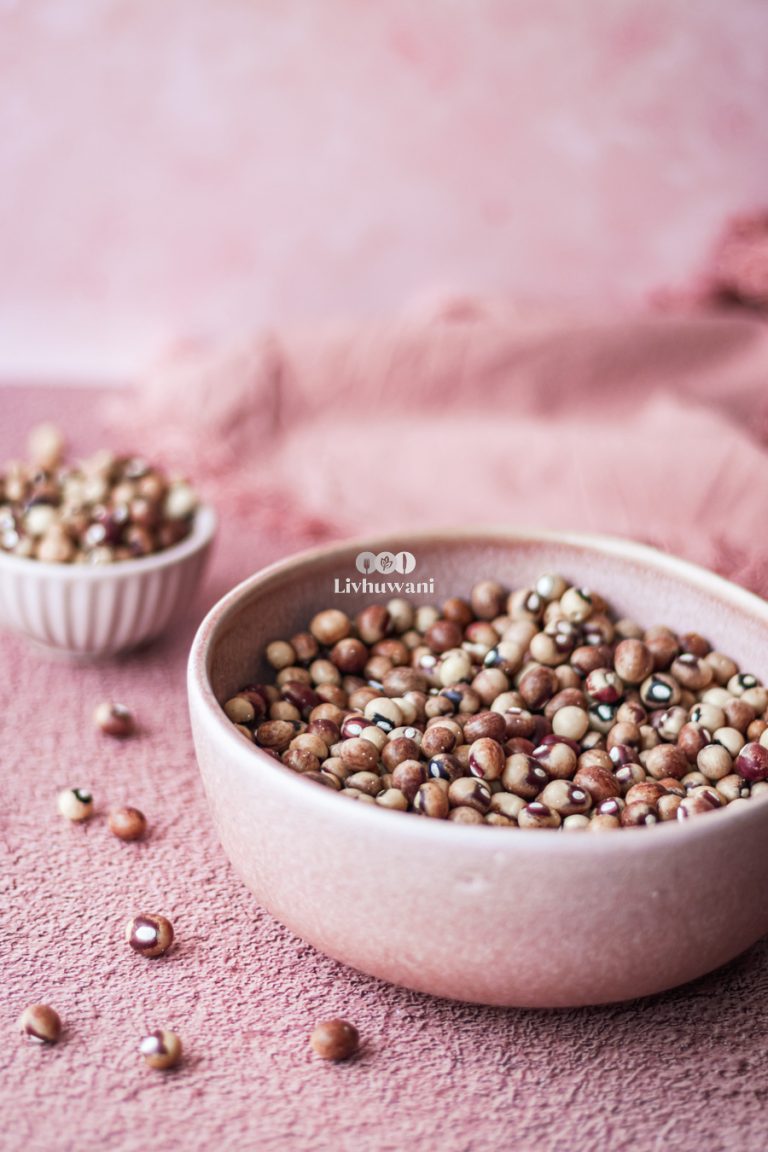
Many of these ingredients have nourished communities for generations, yet they remain absent from mainstream food conversations. They are often spoken about as heritage, but rarely as innovation.
TAMU gave us an opportunity to tell a different story.
One where indigenous ingredients were not presented as artefacts from the past, but as ingredients with a place in the kitchens of today.
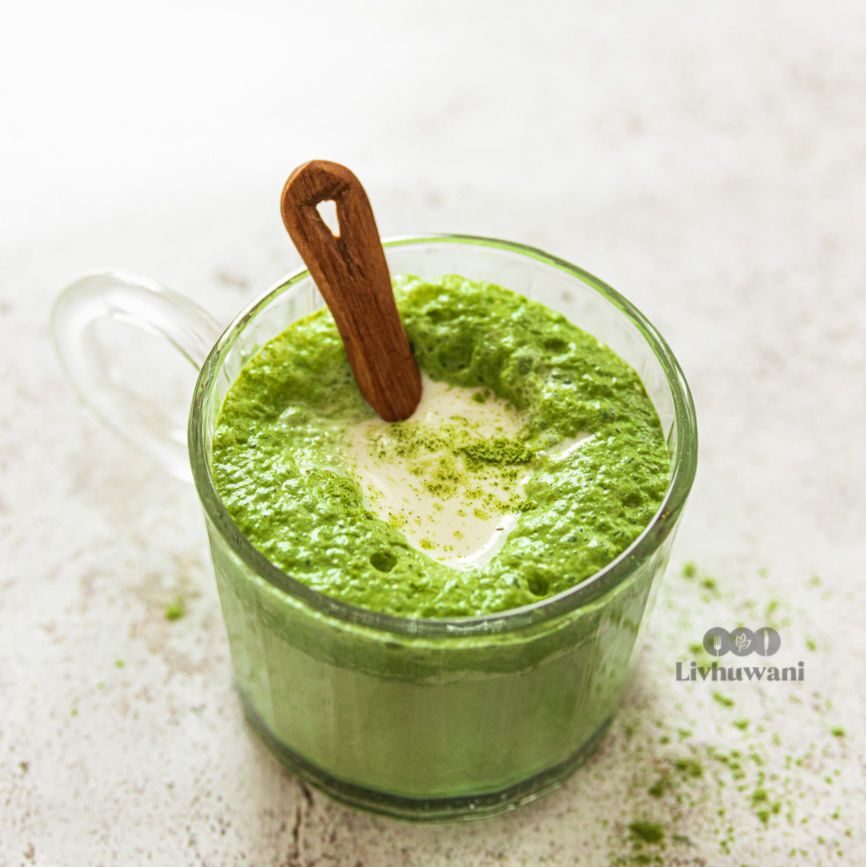
Take something like the Moringa Latte from the book. Moringa is a deeply traditional plant with roots that stretch back generations.
Moringa has been part of African food traditions for generations.
Yet when it is whisked into a warm latte, crowned with vibrant green foam and caught by the morning light, something shifts.
The ingredient remains the same.
The story expands. Suddenly, it feels both ancient and contemporary.
Familiar and new. Rooted and evolving.
To me, that’s the beauty of food culture.
It teaches us that we don’t have to choose between where we come from and where we’re going.
So the next time you cook this week, I invite you to pause and look a little closer at the ingredients on your counter, wherever you are in the world.
What stories are they carrying? And how can you bring them into the present?

TAMU BY JANE NSHUTI
If you want to explore this visual journey with me and see how we brought Jane’s stories to light, you can find the TAMU cookbook available worldwide.
Thank you for reading! Until the next one,