The last thing my grandmother asked me to do: mukusule
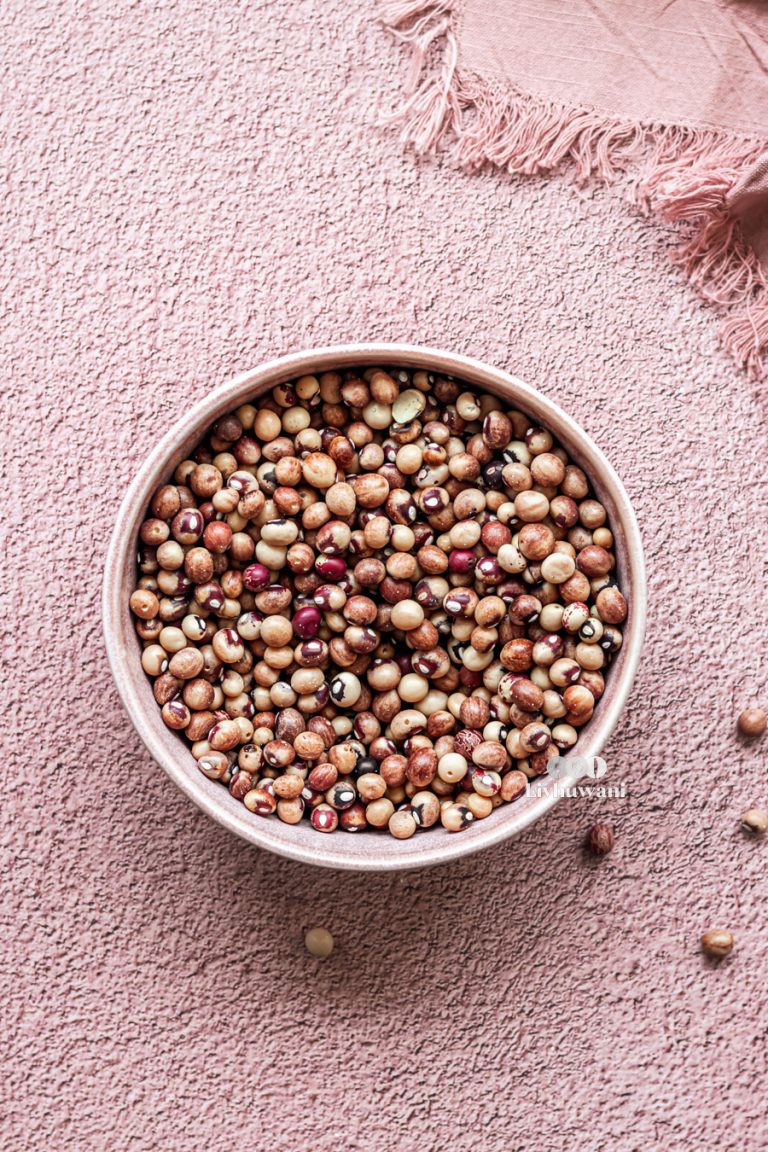
Reflections on dried pumpkin flowers (Mukusule ha vhuluvha), food preservation, and the lessons carried through generations in Venda kitchens.
There are photographs that grow heavier with time.
The day you take them, they seem ordinary. A quick picture before lunch. A pot on the stove. A grandmother asking you to taste. Years later, you realise you were holding onto something far greater than a photograph. You were holding onto a goodbye.
This is one of those photographs.
“Taste this,” my grandmother said.
At the time, it felt like an ordinary invitation. One of hundreds she had made before. I wasn’t thinking about memory or loss. I certainly wasn’t thinking that one day I would stare at this photograph searching for pieces of her. I simply walked over and tasted.
Years later, I would realise it was one of the last things she ever asked of me.
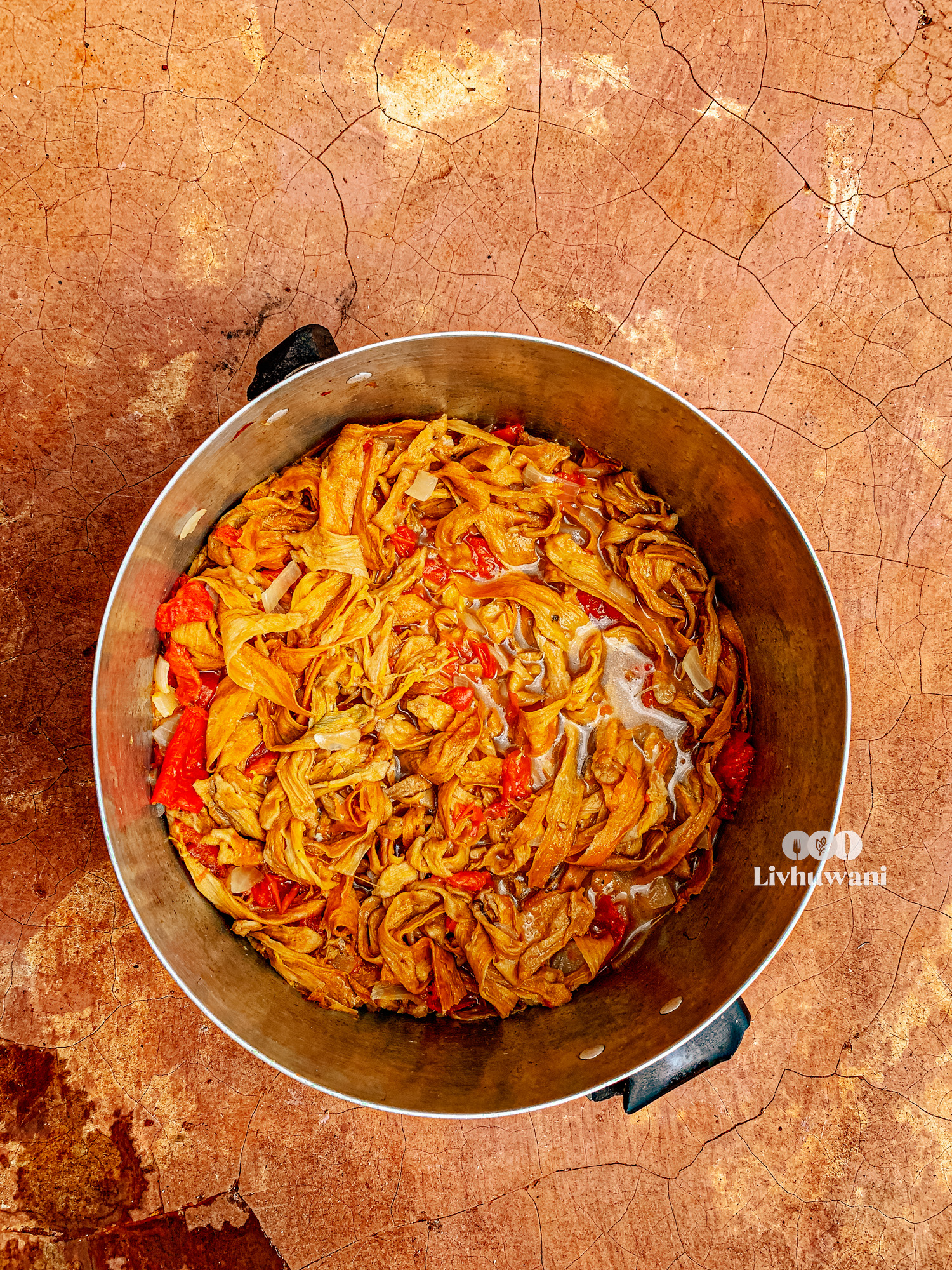
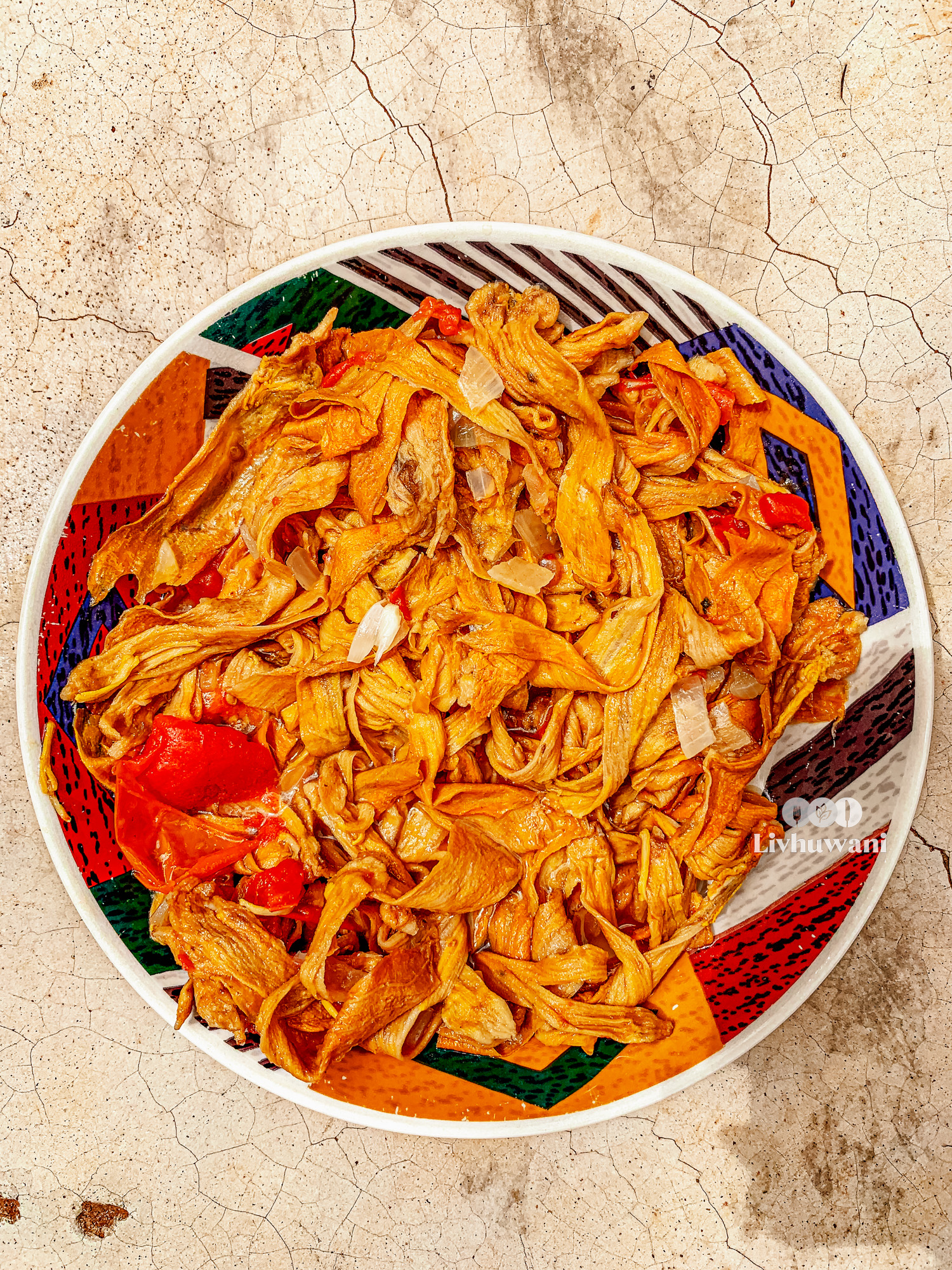
At first glance, it is simply a bowl of mukusule ha thanga resting outside my grandmother’s kitchen in Limpopo. A humble stew made from vhuluvha, pumpkin flowers harvested during the growing season and dried for later.
But when I look at these images now, I no longer see a recipe. I see one of the last meals my grandmother ever asked me to taste. Suddenly, everything changes. The photograph becomes more than an image. The bowl becomes more than a vessel. What I thought I was preserving was food. What I was actually preserving was memory.
When Summer Had to Feed Winter: Vhuluvha
Before freezers filled our kitchens and supermarkets convinced us that every fruit should be available every month of the year, people lived differently. They paid attention. They noticed when the first pumpkin flowers appeared. They understood that abundance was seasonal, and they knew that every harvest carried a silent question:
What will feed us when this season has passed?
Across Venda communities in Limpopo, the answer could often be found in vhuluvha.
For a brief period each year, pumpkin flowers arrive in abundance. Their bright yellow petals spill over the vines, announcing a season of plenty. But flowers do not last. The season moves on, the petals wilt, and the harvest disappears unless someone knows how to speak its language.
My grandmother understood something I only appreciate now. Abundance is not having everything all the time. Abundance is knowing what to do when something arrives. Every season arrives carrying a responsibility. When the pumpkin flowers appeared, she didn’t just celebrate their abundance, she prepared for their absence. She gathered them, prepared them, and dried them beneath the Limpopo sun.
In her hands, summer learned how to survive winter. I can still hear the way she called us to eat before the food grew cold.
How Mukusule is Made
Traditionally, vhuluvha are harvested while still fresh and vibrant. The flowers are gently cleaned, lightly cooked, and then spread out under the open sky. The sun draws out the moisture until they are fully preserved and ready to be stored for months. Later, when the cold sets in, they are rehydrated and transformed into a comforting, savoury stew alongside tomatoes, onions, and salt.
It is an act of food preservation in its simplest form. Yet hidden inside that simplicity is generations of deep wisdom. The flower blooms for a short season. The meal lasts much longer.
The Foods We Never Thought to Treasure
As children, we rarely notice the architecture of survival. We sit down to eat. We reach for another spoonful. We laugh. Then we disappear outside to play in the dirt. The food simply appears on the table as if it has always belonged there. We don’t see the knowledge behind it, the decisions, the observations, or the years of experience carried in the hands preparing it.
Mukusule was never introduced to me as heritage. Nobody gathered us around the table to explain its significance. Nobody called it indigenous food or described it as cultural preservation. It was just dinner. It was home, and maybe that is why I took it for granted.
It is only now, living far from home among endless rows of supermarket aisles, that I understand what these foods were carrying all along. The foods I miss most are not the expensive ones, the fashionable ones, or the dishes people queue around the block to photograph. I miss the foods that tasted of belonging. The foods that carried stories no cookbook could fully capture. The foods that remind me where I come from.
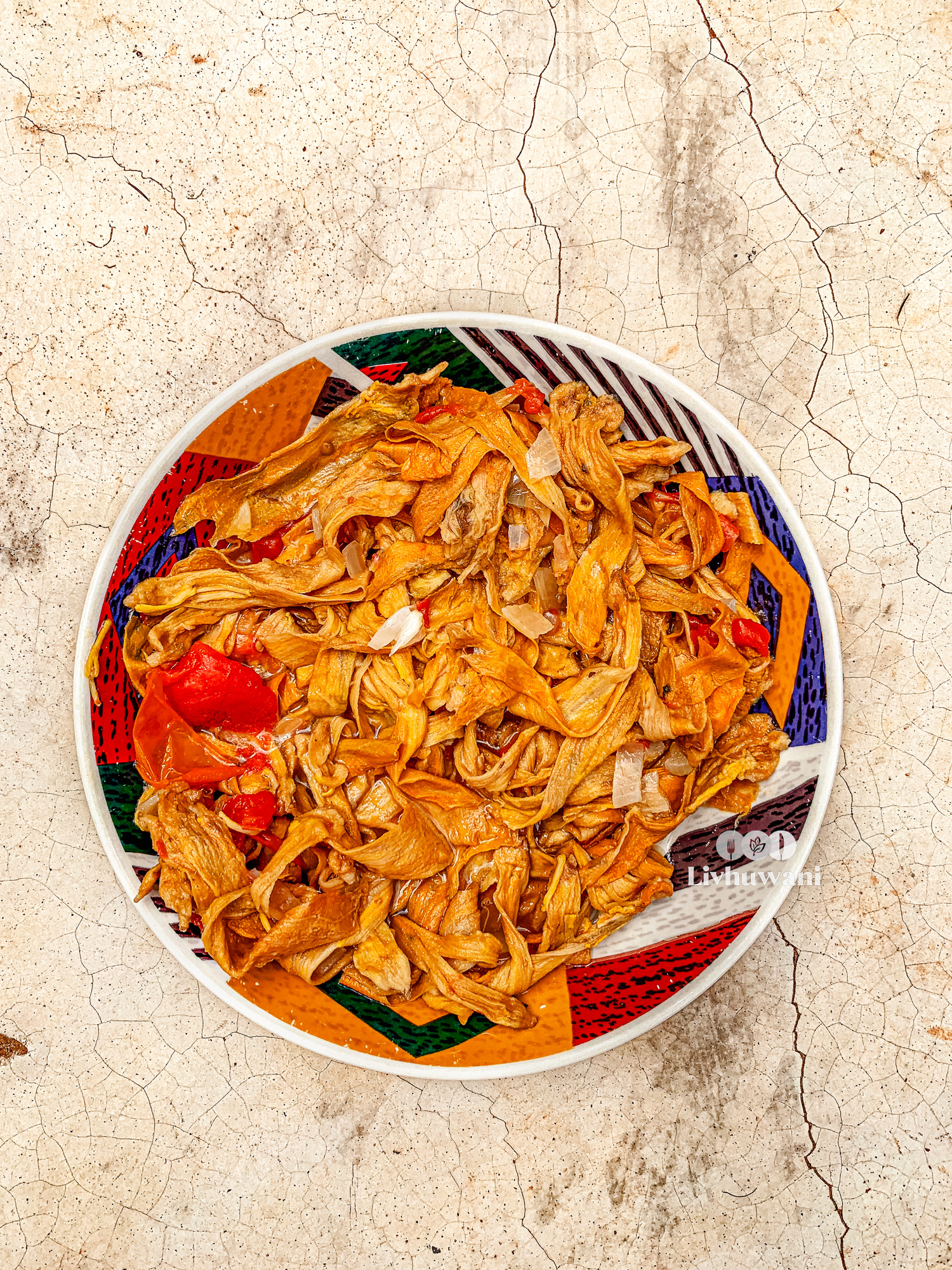
The Photograph I Almost Didn’t Take
The day this photograph was taken, I wasn’t chasing a legacy. I was simply responding to a familiar call.
“Taste this.”
So I walked over, phone in one hand and hunger in the other.
I didn’t have my camera with me. As a food photographer, that usually feels like a missed opportunity. I am used to chasing beautiful light, adjusting settings, and reaching for the right lens to curate a perfect scene. But there was no camera that day. Only my phone, my grandmother, and a bowl of mukusule.
At the time, the photograph felt ordinary. Now it feels priceless. Because I have learned that the most important photographs are not always the most beautiful ones. Sometimes they are the ones that simply help us remember.
Indigenous food traditions preserve far more than food. They preserve memory, knowledge, and language. Ways of seeing the world. Every time a grandmother teaches a child how to harvest vhuluvha, dry them beneath the sun, and cook them into mukusule, she is passing on a way of living. A way of paying attention. A way of understanding that the land provides differently in each season and that wisdom matters just as much as the harvest itself.
A Bowl Full of Memory
Today, this photograph sits among thousands of others on my hard drives. Technically, it is nothing special. The lighting isn’t perfect. The composition isn’t styled. The image wasn’t even taken with my camera.
Yet it may be the most valuable photograph I own. Because it holds something no lens can manufacture. It holds her, her kitchen, and her generosity. Her voice asking me to taste.
Looking back, I can’t help but notice that mukusule and photographs have something in common. Neither was made for the moment. The flowers were dried for a future day when they would be needed. The photograph became important for a future version of me that didn’t yet know what was coming.
Back then, it was just lunch. Just another afternoon in my grandmother’s kitchen. Just another bowl of mukusule. Only time revealed otherwise.
These days, I find myself paying closer attention to the ordinary things. The meals shared around a table. The voices that call us into the kitchen. The photographs we almost don’t take. Because we never really know which moments will one day become the ones we return to.
What are we being asked to taste, notice or hold onto today that one day we will wish we had paid a little more attention to?
What feels ordinary in your life right now that time may one day reveal as extraordinary?