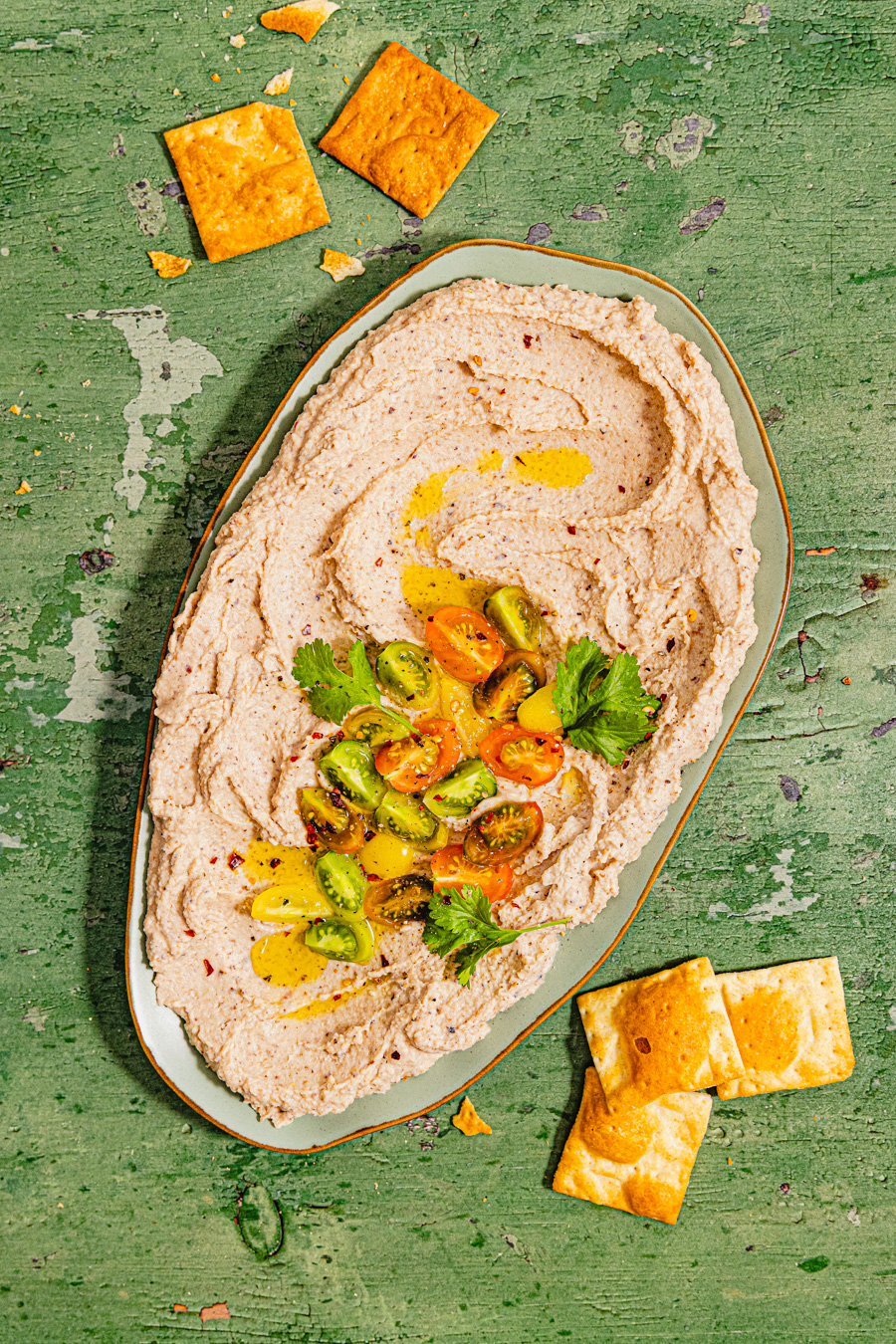
Bambara Bean Dip (Hummus Style)
Bambara bean dip is a creamy, nutty, gluten-free spread made from Bambara beans (also called Bambara groundnuts), which look a lot like chickpeas but bring their own earthy sweetness. You can make it with pantry staples; lemon, garlic, cumin, and a good oil yet most people have never heard of Bambara beans (painful but true). Rich in plant protein and fibre, this hummus-style dip is budget-friendly, nourishing, and perfect for veggies, flatbreads, or grain bowls. If you’re curious about heritage African ingredients and want something both familiar and new, start here.
For a long time, I forgot about Bambara beans.
It was not deliberate. They simply slipped into that quiet corner of memory where childhood foods often go, the ingredients you grow up eating and then somehow stop seeing. Years pass. You move countries. Supermarket shelves fill with different, familiar items, and the foods that once anchored family meals quietly fade into the background.
Then, in 2022, I found them again.
At first, the name did not register. Sitting in a burlap sack among other dried pulses, they looked almost like chickpeas: round, earthy, and unassuming. Curious, I bought a small bag and took them home.
The moment I tasted them, the recognition was instant.
The creamy texture, the distinct nutty flavor, the specific way they softened after hours of cooking. Suddenly, I was no longer standing in my kitchen in England. I was back in Venda, in my great grandmother’s kitchen, where pots simmered slowly and conversations stretched long after the food was ready.
I remembered walking with her to the market, where ingredients were not chosen from neatly packaged shelves but from large sacks lined up side by side. She would run her hands through the beans before buying them, chatting with the women behind the stalls while I watched and listened. Those beans would eventually become tshidzimba, a beloved Venda dish made with Bambara beans and maize.
What strikes me now is how easy it is to find the other ingredients in this dip. Garlic, lemon, olive oil, and cumin have traveled across continents to find a permanent place in kitchens around the world. Meanwhile, Bambara beans, despite being one of Africa’s most resilient and nutritious indigenous crops, remain largely unknown outside the communities that have cooked with them for generations.
Perhaps that is why I keep returning to ingredients like these.
Every indigenous ingredient carries far more than nutritional value. It carries history. It carries memory. It carries the stories of the people who planted it, cooked it, and passed it down. When we lose these foods, we lose a piece of those stories too.
This Bambara bean dip is my small way of celebrating an ingredient that deserves to be remembered. It is creamy, nutty, and simple to make, but to me, it tastes of much more than that. It tastes of home, of family, and of the women who taught me that good food does not have to be complicated to be deeply meaningful.
Why you’ll love this Bambara Bean Dip
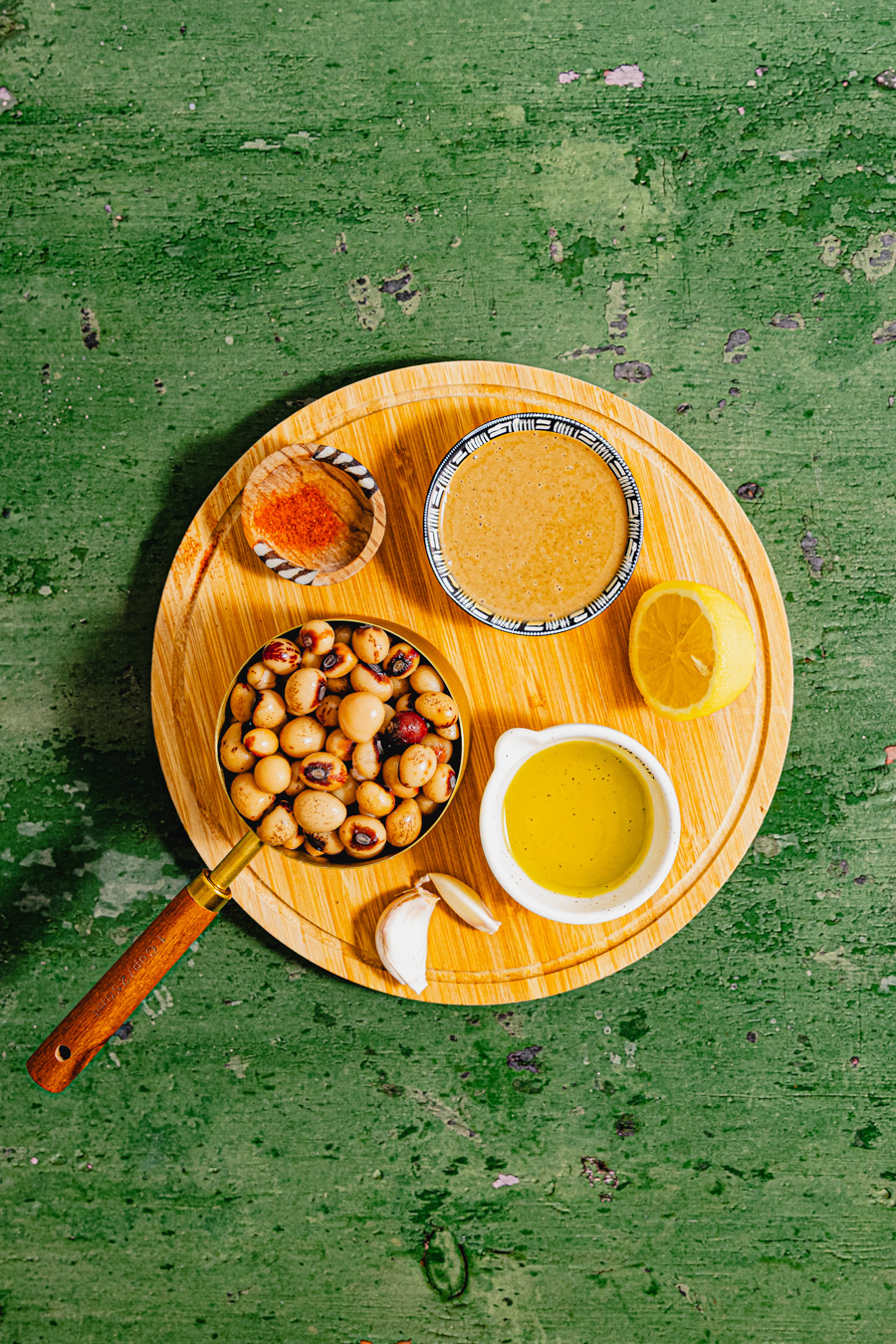
Ingredients you’ll need to make Bambara Bean Dip
A note of Bambara Bean Dip recipe
During my research, I discovered that some traditional recipes use dawa dawa (a fermented seasoning) and palm oil. These ingredients add a smoky, soulful depth and are beloved in West African cooking.
For this recipe, I’ve chosen test the recipe and leave them out to keep it simple for anyone trying Bambara beans or bambara bean dip for the first time.
How to Make Bambara Bean Dip
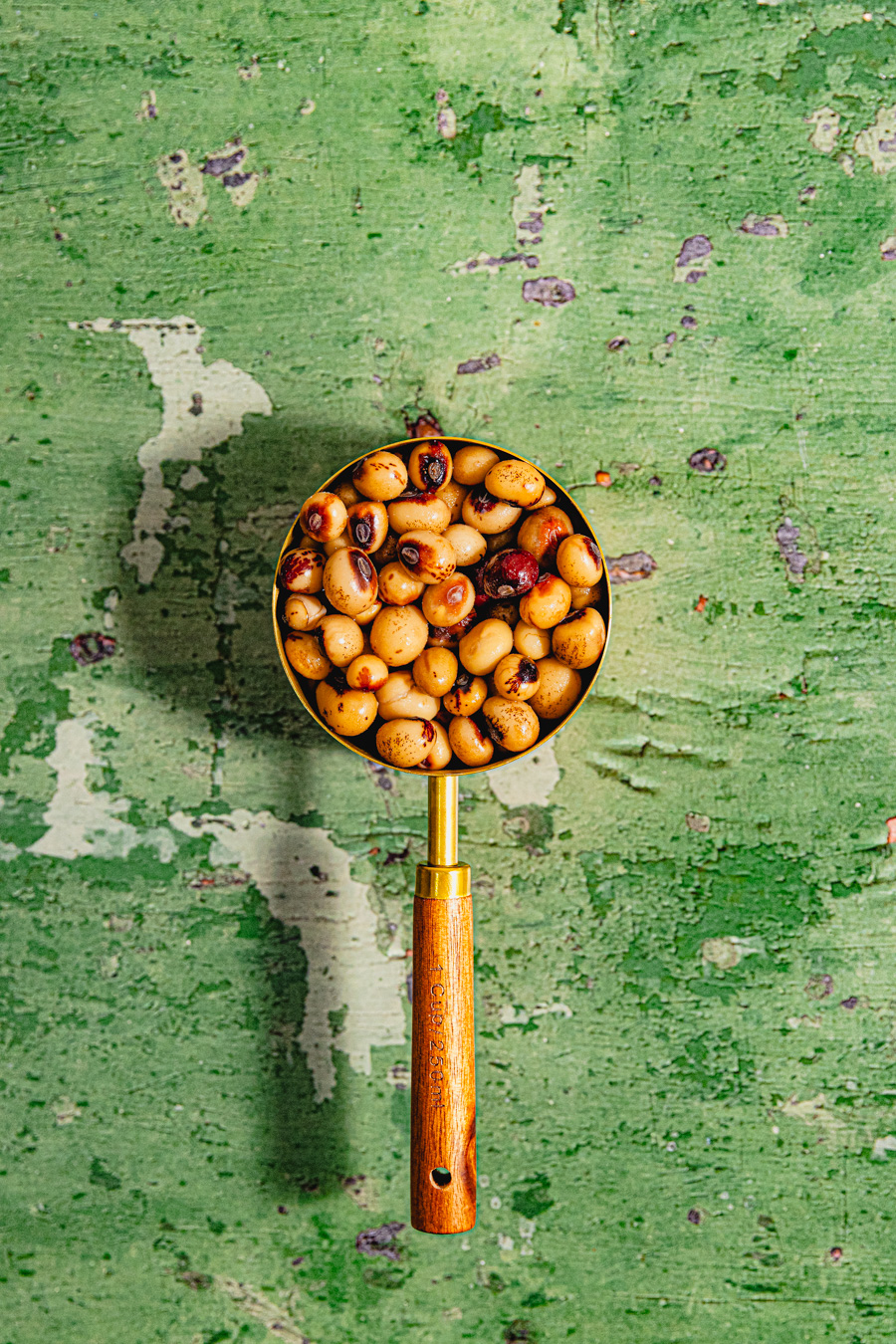
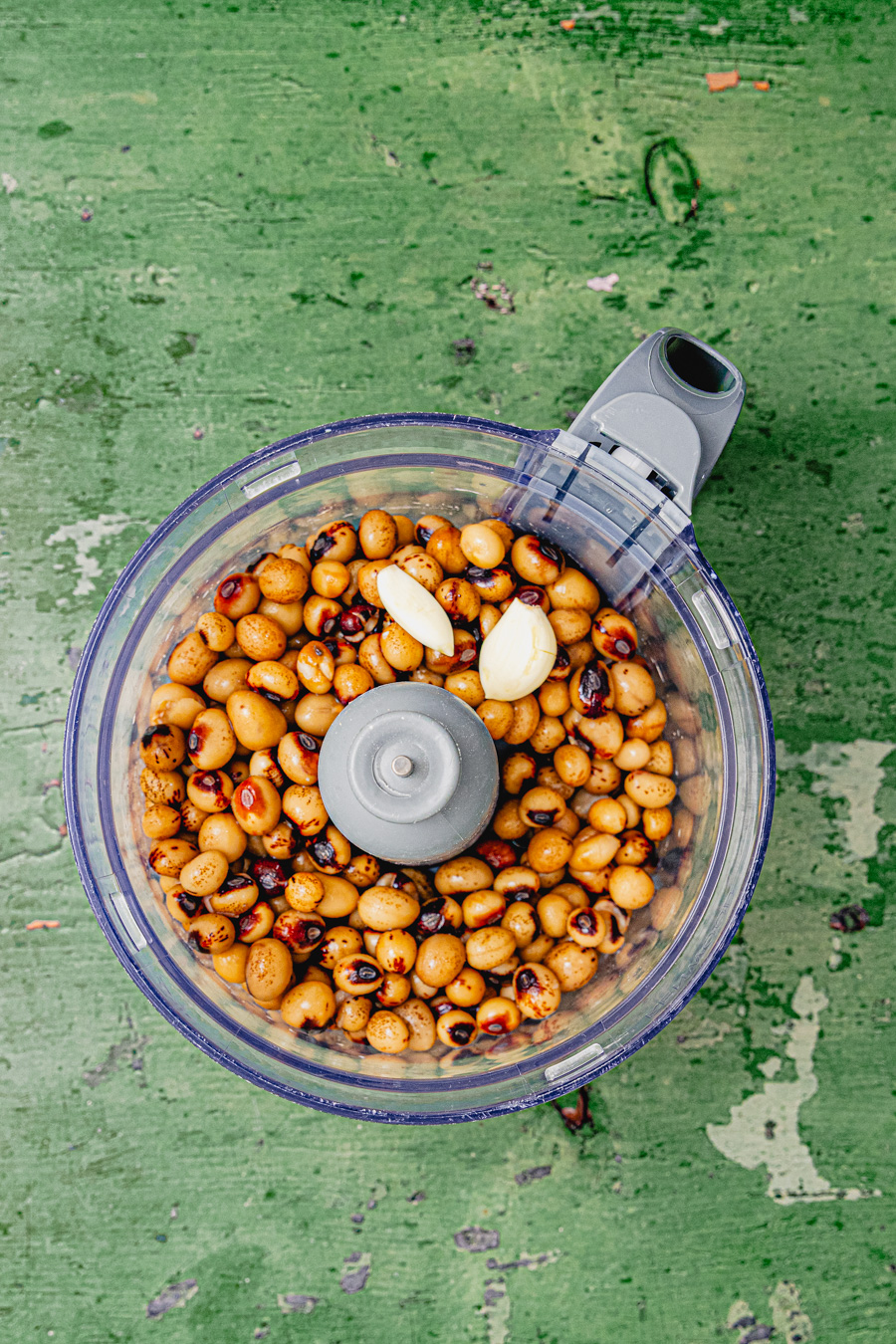
It begins, as all good bean dishes do, with patience. If you’re working with dried Bambara beans or their cousins, the black-eyed peas (cowpeas), you’ll want to soak them overnight. By morning, they’ll be plump and ready for the pot. Boil them gently until they yield, until they’re tender to the bite and carrying that soft, earthy scent that says they’re ready.
Next comes the alchemy. Into the blender go your cooked beans, a grated clove of garlic, a spoonful of tahini, a splash of olive oil, a squeeze of lemon juice, a sprinkle of paprika, and just enough salt to make the flavours sing.
Then, the transformation: blend until the beans lose their shape and turn into something smooth, almost silky. Add water slowly, a spoonful at a time, until you find the texture you love, creamy and spreadable, easy to scoop with bread or fresh vegetables.
Now pause. Taste. Does it need a little more brightness from lemon juice? A sharper kick of garlic? Or simply a pinch more salt? Adjust as your palate guides you. This is the moment the dip becomes your own.
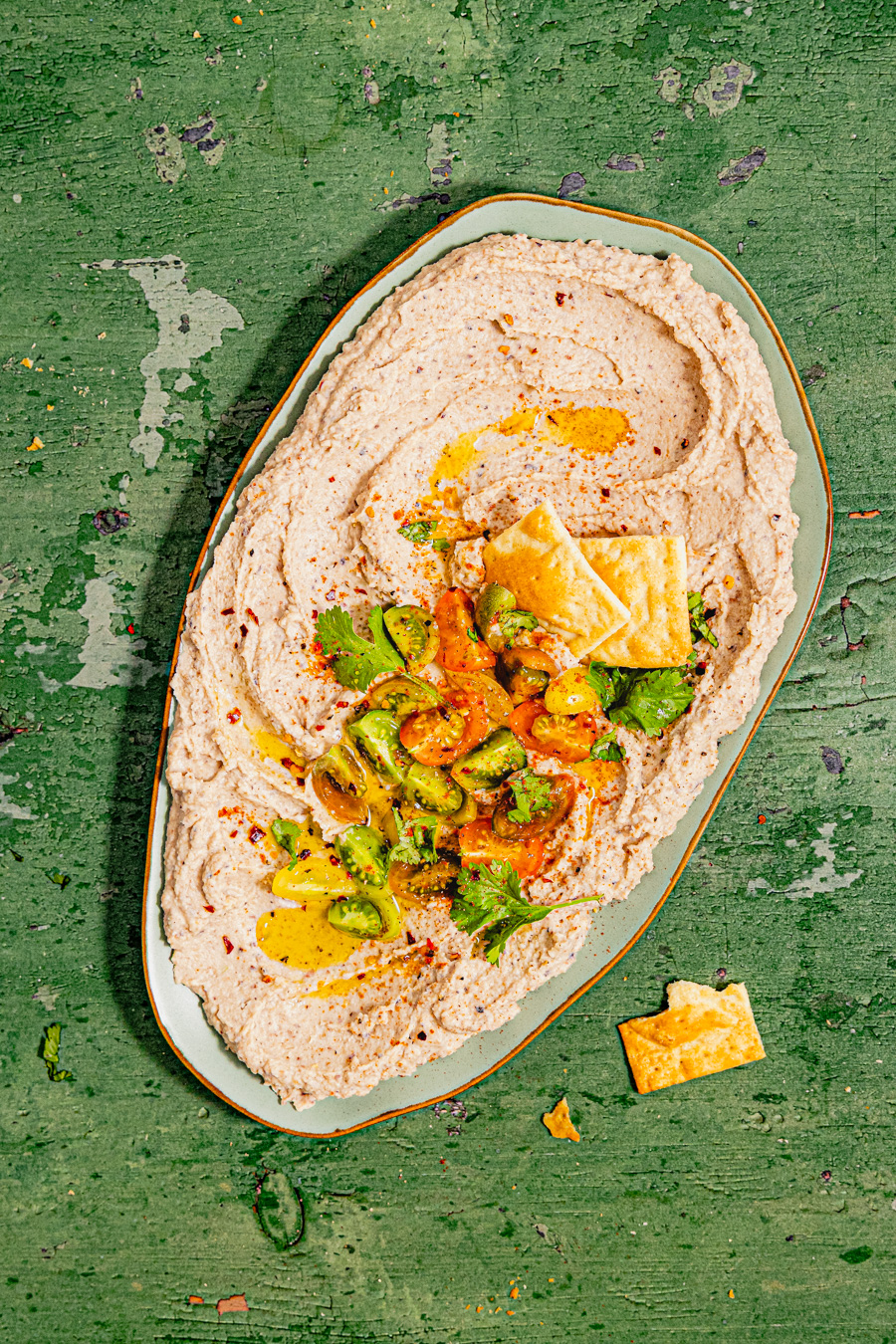
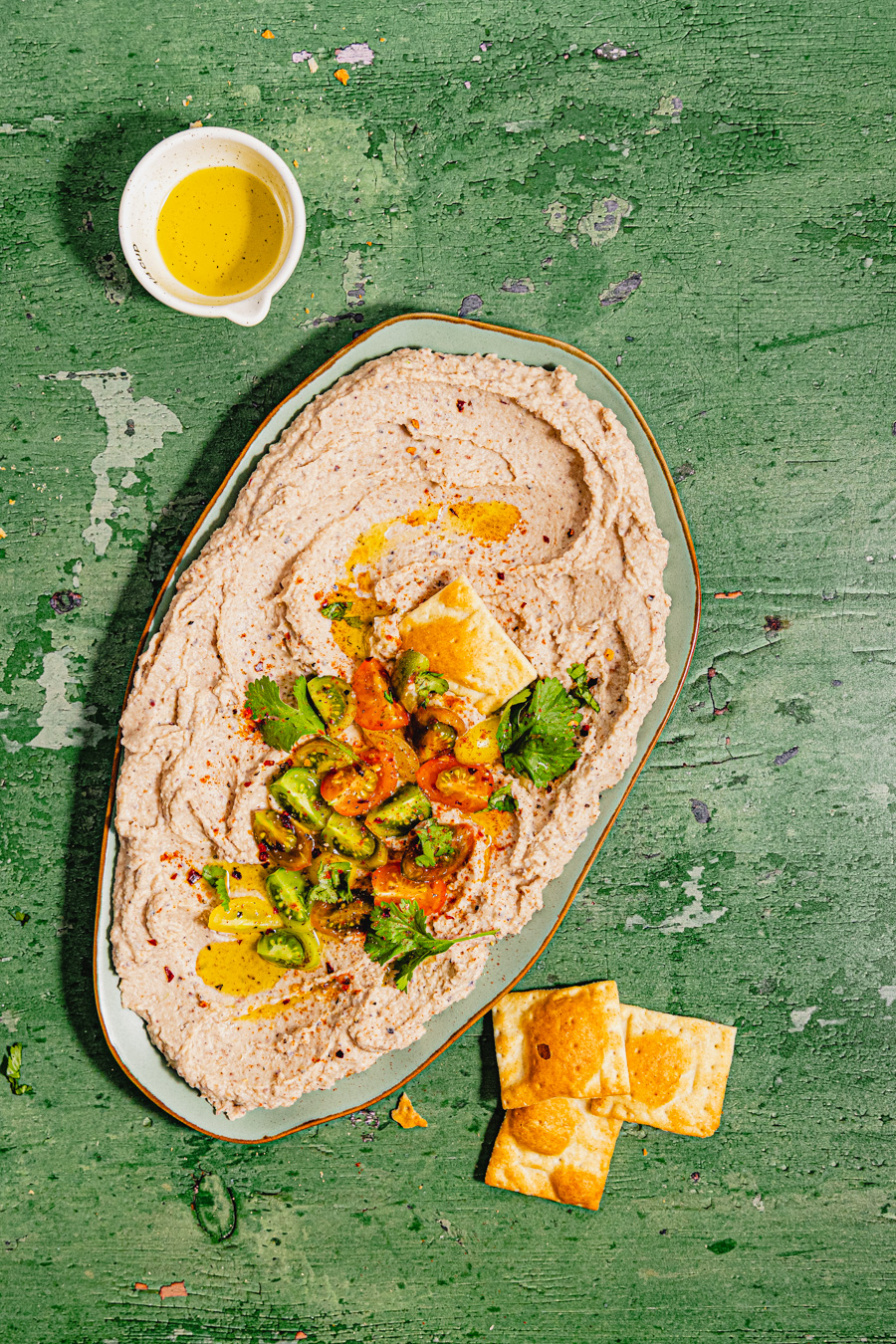
Scoop it into a bowl, smooth the top, and finish with a drizzle of olive oil or a dusting of paprika. Then serve with crackers, bread, fresh veggies, or even alongside plantain if you want to lean into its African roots.
Faqs on Bambara Bean Dip
more dip recipes?
Creamy Bambara Bean Dip
Equipment
- Food processor
- Measuring spoons (tsp & tbsp)
- Wooden spoon or spatula
- Serving bowl
Ingredients
- 2 cups Bambara beans cooked or (1 cup bambara beans and 1 cup cowpeas/ black-eyed peas)
- 2 tbsp tahini or peanut butter for a nutty twist.
- 1 clove garlic grated
- 2 tbsp olive oil plus more to drizzle on top.
- 2 tsp lemon juice freshly squeezed.
- ½ tsp cumin optional
- 1 tsp paprika optional, (smoked or sweet, depending on flavour preference0
- ½ tsp salt adjust to taste.
- 2 tbsp water add gradually while blending for smooth consistency.
Instructions
- Blend the base: Add the cooked Bambara beans, cooked black-eyed peas, garlic, tahini, olive oil, lemon juice, paprika, cumin and salt into a blender or food processor.
- Adjust texture: Blend until smooth, adding water a tablespoon at a time until you reach a creamy, spreadable consistency.
- Taste and adjust: Add more lemon juice, garlic, or seasoning to balance the flavour to your liking.
- Serve: Transfer to a serving bowl, drizzle with olive oil or dust with paprika, and enjoy with crackers, bread, fresh veggies, or plantain.
Notes
- Starting with dried beans? Soak overnight in a lot of water, then boil until tender. As a guide, about ½ cup dried will yield 1 cup cooked.
- Storage: Keep the dip in an airtight container in the fridge for up to 4 days. Stir before serving, and add a drizzle of olive oil if it looks dry.
- Substitutions: If you can’t find Bambara beans, use chickpeas or pinto beans. They’ll give you something close to hummus, though without the same nutty, earthy depth that makes Bambara so special.