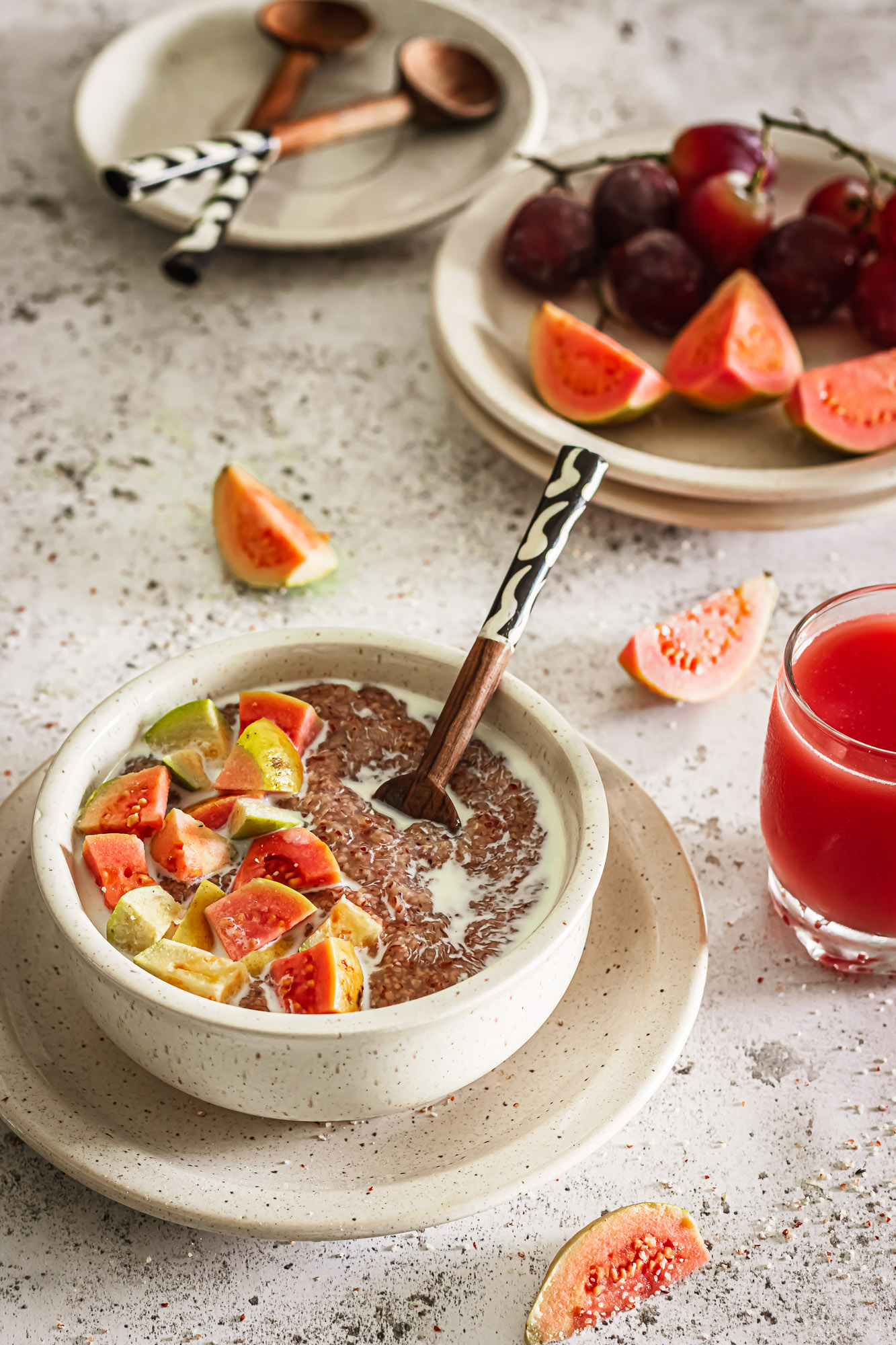
Easy Sorghum Porridge
Makhaha: The Story of Sorghum
Sorghum porridge – a simple and delicious African indigenous porridge. Also known as Mabele porridge or Makhaha.
I grew up during the emergence of new cereals. The kind you put in a bowl and then pour milk into. As a kid, I thought these cereals were cool because we saw TV commercials of kids eating them before school.
“Why don’t you ever buy us cool cereals like the ones we see on TV?” One day, I asked my mother. “Those cereals have fewer nutrients than the ones we buy in this house,” my mother responded, “and I want you to get all the nutrients you need to grow.” She added. I didn’t get it the first time. It became her anthem to tell us about the importance of eating a healthy breakfast until I stopped asking her about it.
For breakfast, she would often make this rich and delicious sorghum porridge for us and serve it with love. Mama knows real food, I tell you. Ask anyone who grew up in South Africa and they will tell you the stories of Maltabella sorghum porridge.
Rumour has it that Sorghum was first recorded in 8000 B.C. It was discovered at an archaeological dig in northeastern Africa near the Egyptian-Sudanese border. The truth is, Sorghum is a cereal grain that has existed for thousands of years. Africans have been cultivating and eating this indigenous grain for far longer than maize in most parts of Africa. Traditional porridge, fermented drinks, and traditional beer are made from this beautiful grain. It’s called ‘Makhaha’ in Venda, Mabele in Sotho and Amabele in Zulu. Many countries only use sorghum for livestock feed, unaware or perhaps ignorant of its power.
Don’t let them fool you! Sorghum is a versatile crop, serving as an excellent substitute for rice, oatmeal, and other grains such as quinoa and barley.
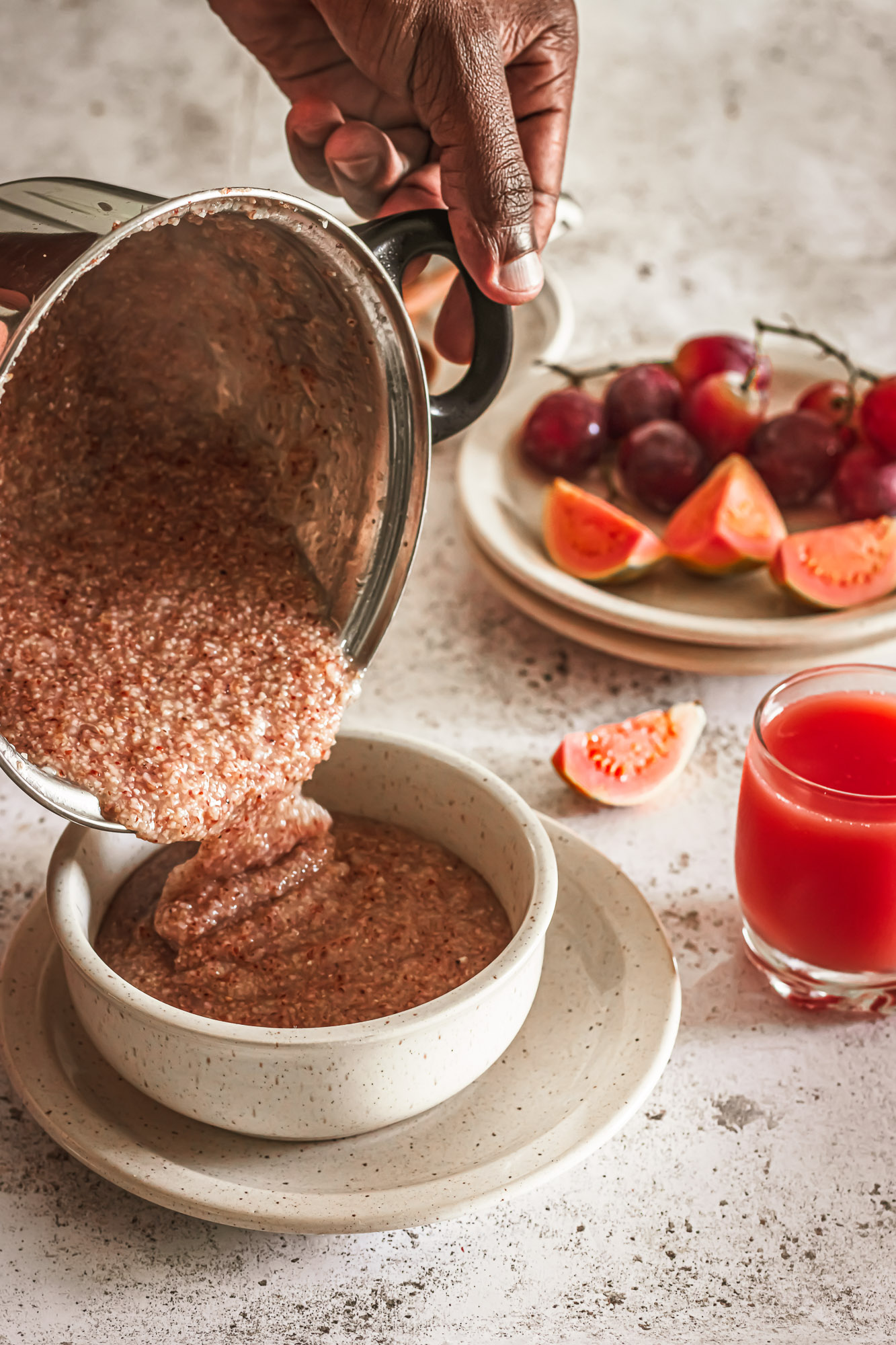
My search for Sorghum porridge
In April 2022, I walked through the aisles of South African supermarkets looking for Sorghum. What I thought would be a simple find turned out not to be the case. It appears to be available in fewer supermarkets than in previous years. How is it that a native African grain has become so difficult to find?
During my research, I was astounded by the strength and power of this ancient grain. It is gluten-free, high in iron, high in fibre and has other nutritional benefits. While we are highlighting the benefits, It is also great to mention that Sorghum’s scientific structure also reveals that it is high in phenolic compounds, which act as antioxidants.
Antioxidants are the good guys that fight to help prevent the oxidation of other molecules in the body known as free radicals. Free radicals are molecules that are created naturally by our body through the food we eat. They are also created when we are exposed to toxins in the environment such as pesticides and chemicals. Free radicals are like the bad boys, they always outnumber the antioxidants in our bodies, because our bodies are constantly being exposed to them. It is, therefore, necessary to load up with external antioxidants like those found in Sorghum to increase the levels for optimum health (excuse me, while I try to put my science degree to good use for a second).
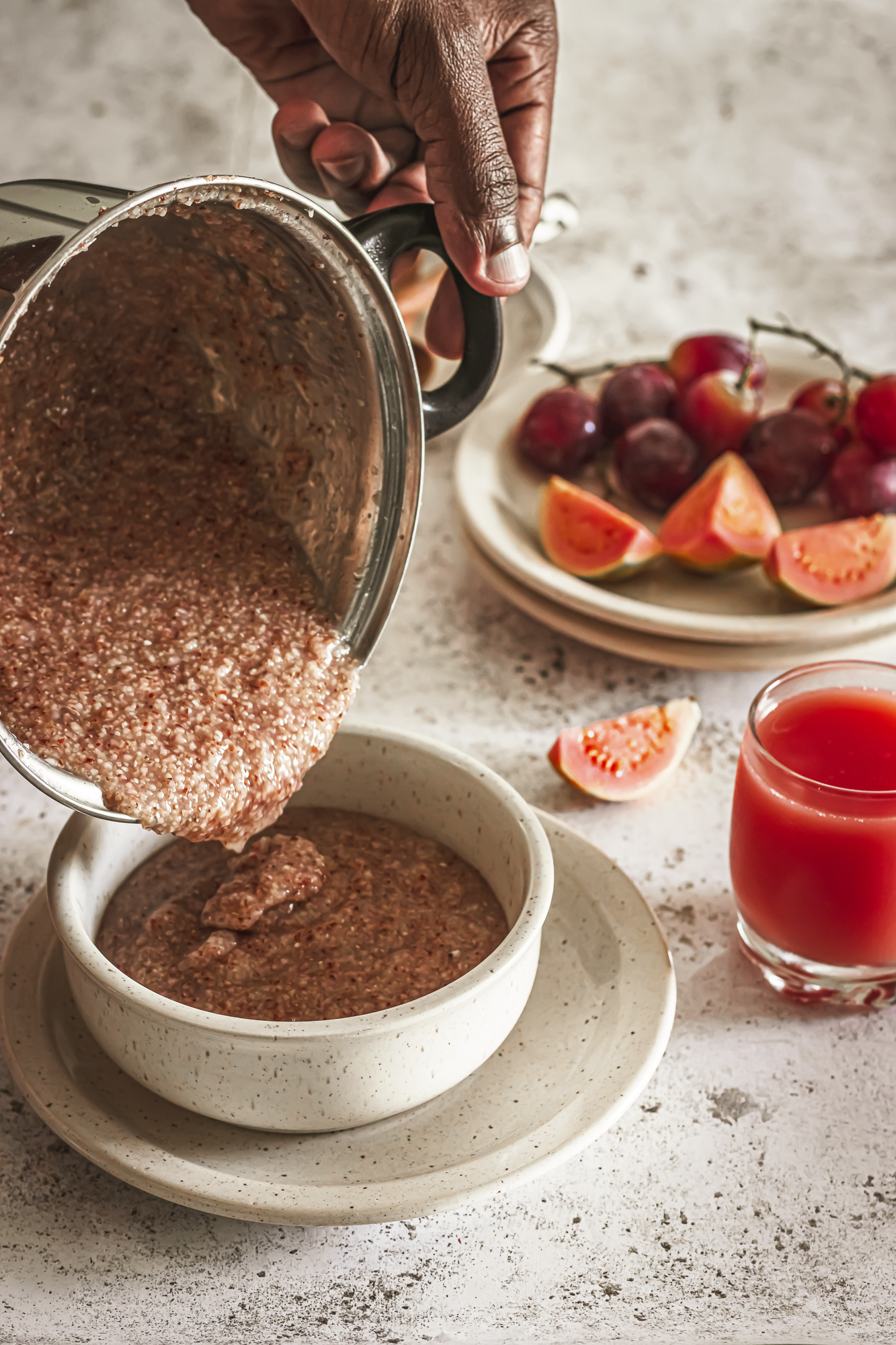
Why isn’t sorghum getting more attention?
For many years, sorghum has been regarded as “poor people’s food,” “livestock food,” “famine food,” or “unattractive food.” It’s no surprise that consumption of this ancient grain is decreasing at a fast rate. It gets a fraction of the attention it deserves and produces a fraction of its potential. Without a doubt, as the world approaches the point where its food supplies will be insufficient to feed its people, this grain will play an increasing role in feeding the human race. Oh, the miracle grain will come to our rescue sooner rather than later.
Another point to consider is that we are losing the generation that was raised to embrace this indigenous grain; our grandmothers and grandfathers. They are the ones who are knowledgeable about and have recipes for our indigenous foods. Furthermore, the new generation has been heavily influenced by foreign food and is no longer interested in incorporating recipes like Sorghum porridge into their daily diet. The dream is to see a bowl of sorghum porridge viewed in the same gleaming light as an omelette or yoghurt: delightful, comforting, and nutritious.
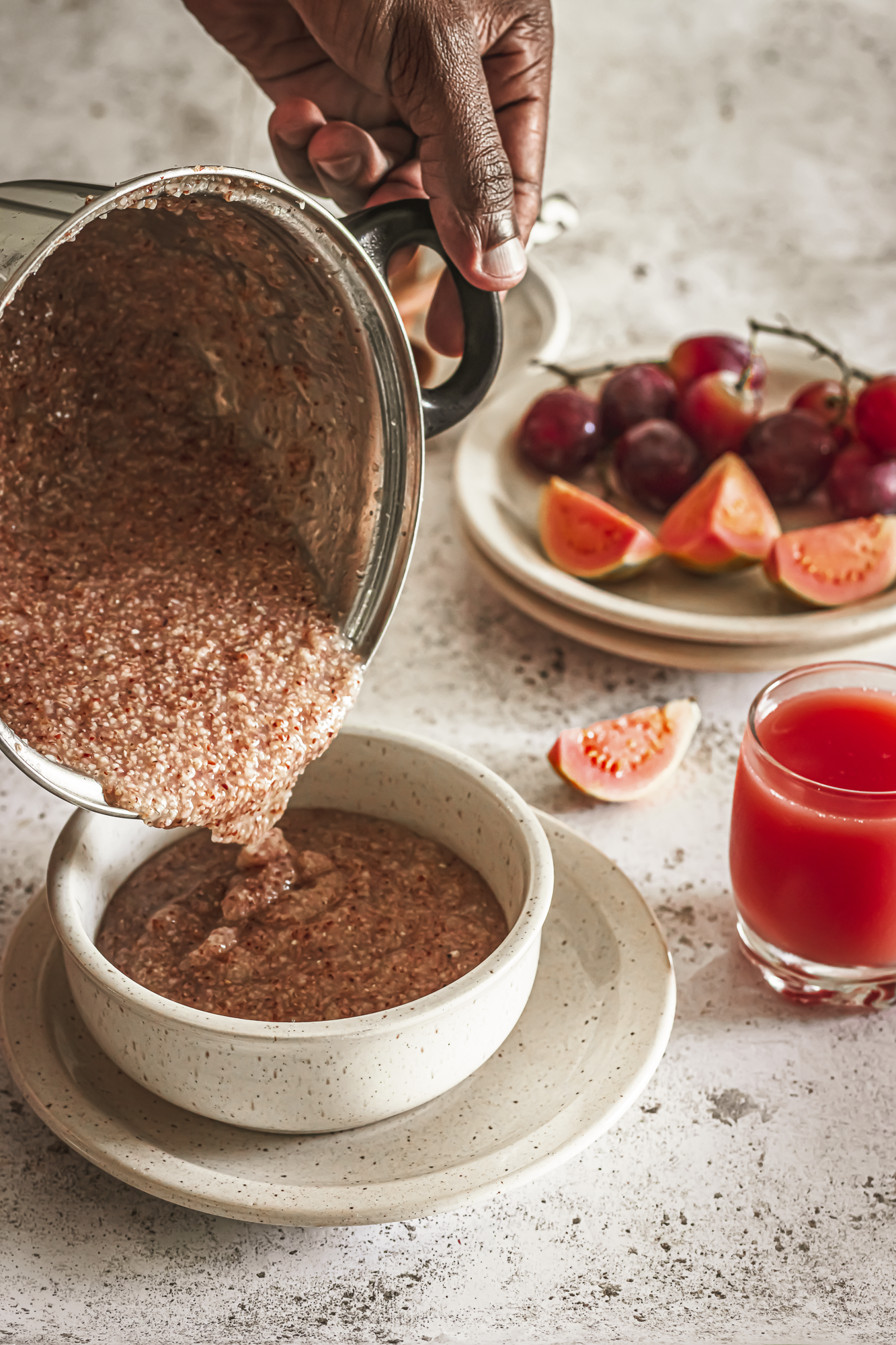
More Porridge Ideas
Similar Posts to Explore
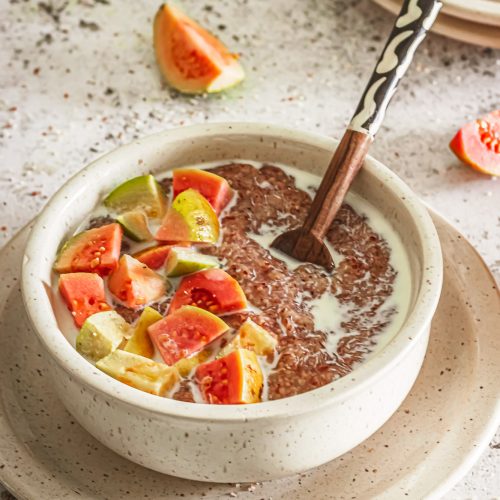
Sorghum Porridge
Ingredients
- 1 cup Fine Sorghum
- 3 cups water
- ⅛ tsp sea salt to taste
- 1 tsp brown sugar optional
- 2 tbsp almond milk optional
Instructions
- In a medium-sized bowl, combine sorghum and cold water to make a paste.
- In a medium saucepan, bring 3 cups of water to a boil. Stir in the sorghum mixture quickly with a wooden spoon. Stirring to avoid the formation of lumps
- Reduce the heat and simmer for 10 -15 minutes, stirring occasionally. Serve with milk, fruits, or sugar if desired.
Notes
- Sorghum thickens as it cooks; if it becomes too thick for your taste, add more water.
- This recipe uses fine-milled sorghum grain. Please do not use Sorghum kernels to make this porridge.
- Slurry is key: Always whisk the sorghum flour with cold water first to form a slurry. This prevents lumps when it hits the boiling water.
- Stir often: Sorghum porridge thickens quickly, so stir occasionally while it simmers to avoid sticking to the bottom of the pan.
- Texture control: For thicker porridge, cook a few minutes longer; for thinner porridge, add a splash of water or milk.
- Make it dairy-free: Soy milk, almond milk, or oat milk add creaminess without dairy.
- Storage: Sorghum porridge thickens as it cools. Store leftovers in an airtight container in the fridge for up to 2 days, then reheat with extra water or milk to loosen.

Hi Livhuwani, I am doing a project on sorghum and found your recipes, your website is beautiful! I was curious what the fruit is in the picture at the top? I was having trouble identifying it.
Sure, it’s pink guava and thank you so muc and all he best with your project!
Great website and recipes. Making the sorghum porridge this morning.
Thank you Vanessa, I hope you enjoyed it 🙂
I was born and raised in SA and Maltabella was something we enjoyed regularly and I LOVED. Now living in the States we would order it from the SA store near us but we’ve been told it’s discontinued. Broke my little ole heart!!! Now I’m on the search for sorghum so I can follow this recipe that looks amazing. Any ideas on where to order it or what to look for? Thanks!
Hi Charonne, oh my, I totally feel for you! 🥺 Maltabella is pure comfort breakfast. Something that might help (and I’m planning to order mine soon too!) is African Marmalade. It’s a beautiful South African indigenous farm run by Siphiwe, and she grows and sell ancient grains like sorghum flour. She delivers to the US with reasonable shipping costs, which could be just what you need to stock up. Here’s her Facebook page:https://www.facebook.com/africanmarmalade.
I love this recipe for its sorghum to water ratio. I made it this morning and it is just the way I like it ,not to watery and not too thick. Thank you Livhu.
just discovered this blog, can’t wait to try more of your recipes. x
Ahhh this makes me so happy to read! I’m so glad the sorghum-to-water ratio worked perfectly for you. That texture sweet spot is serious business!
Thank you for trying the recipe and for taking the time to come back and share…and welcome!! I’m really happy you found my blog. I hope you discover lots more recipes that feel like home and become favourites in your kitchen too. Sending you a big hug and happy cooking! x