Mabele pap (sorghum pap)
Learn how to make sorghum pap (mabele pap) using the traditional method passed down through generations. This easyrecipe walks you through each step, from making a smooth slurry to gradually adding the flour for a perfectly smooth, hearty pap. Whether you’re rediscovering a childhood favourite or exploring South African food for the first time, this nourishing dish is a delicious way to bring one of Africa’s oldest grains to your table.
For the longest time, I thought sorghum belonged in a bowl, not on a plate.
Growing up, sorghum porridge was part of breakfast. Pap was maize meal. That’s how it was in our home, and I never questioned it.
Have you ever looked back and realised your family only kept part of a tradition?
Years later, that’s exactly what happened to me.
In 2022, I began paying closer attention to the ingredients that had shaped African kitchens for generations. I wasn’t looking for trends or superfoods. I wanted to understand the foods that had fed us long before they became interesting again.
That’s when I discovered sorghum pap, also known as mabele pap.
The funny thing is, it wasn’t really a discovery.
My grandfather grew sorghum.
So did my uncle.
They didn’t only make porridge from it. They cooked mabele pap too.
By the time I was growing up, maize meal pap had become the everyday pap in our home. Sorghum was still there, but we mostly ate it as porridge.
I started wondering how many families have a story like that.
How many recipes disappeared without anyone deciding they should?
How many ingredients slowly faded from everyday cooking?
Today, many of us are asking older relatives for recipes, searching for ingredients we haven’t cooked before and rediscovering foods that have always belonged to us.
Making sorghum pap felt like one small way of reconnecting with that part of my family’s story.
The first thing many people notice is its colour.
Unlike maize meal pap, mabele pap has a naturally brown colour. I’ve heard people say it doesn’t look as appetising. I’ve never been able to judge food that way.
Some of the most nourishing foods I know don’t fit our idea of what beautiful food should look like. What matters to me is the story behind the ingredient, the generations it has fed and whether it deserves a place at the table today.
For me, sorghum ticks every one of those boxes.
The method I’m sharing here isn’t new. It’s the way my mum taught me to cook pap, with the measurements carefully tested and written down so you can recreate it at home with confidence.
You begin with a smooth slurry before gradually adding more sorghum flour, mixing, folding and pounding after each addition until the pap is smooth and firm. It’s a technique that rewards patience and one that has been passed from one kitchen to another for generations.
If this is your first time making mabele pap, I hope it becomes one of those recipes you return to whenever you’re craving something hearty, nourishing and deeply rooted in Southern African food traditions.
What Is Sorghum Pap?
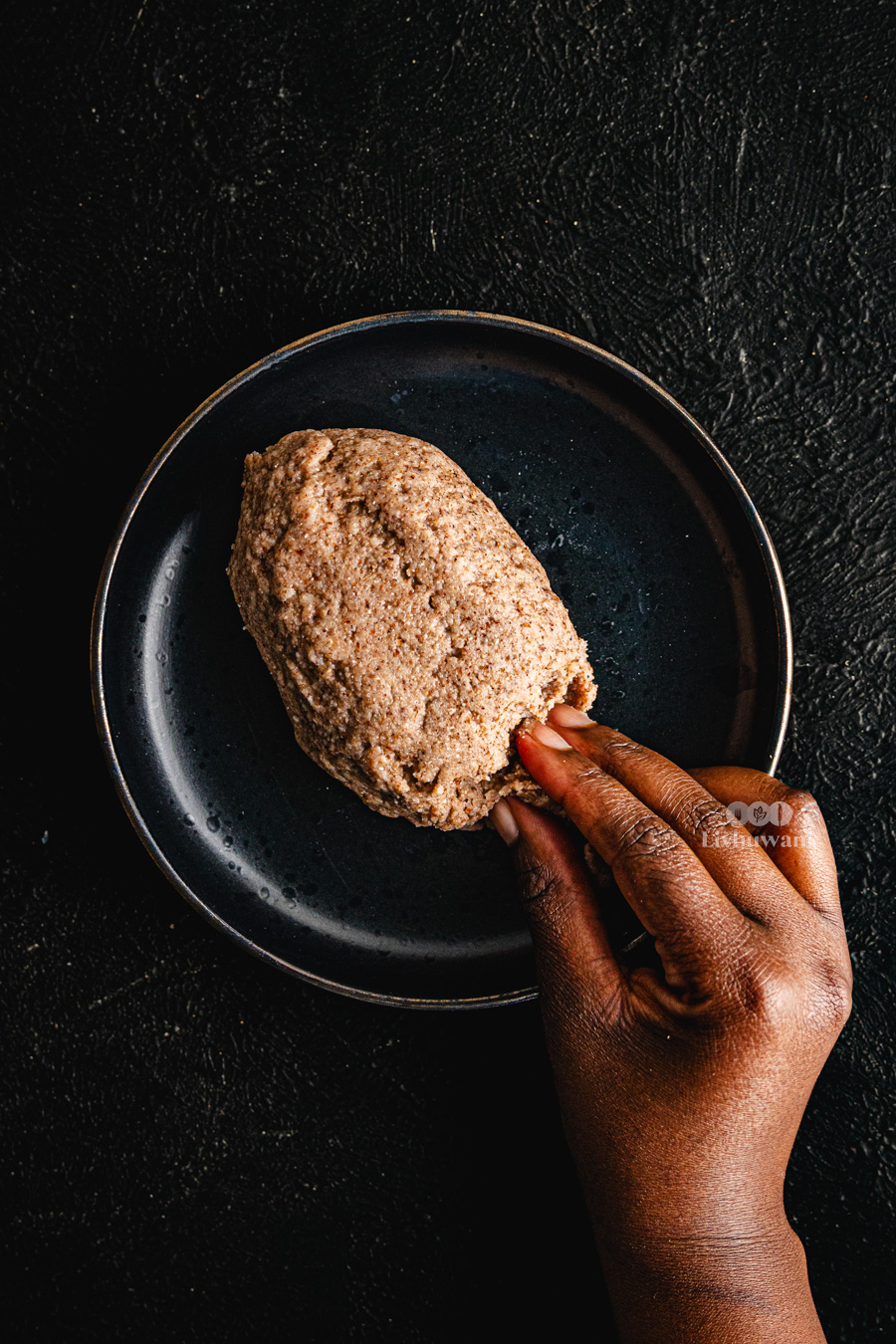
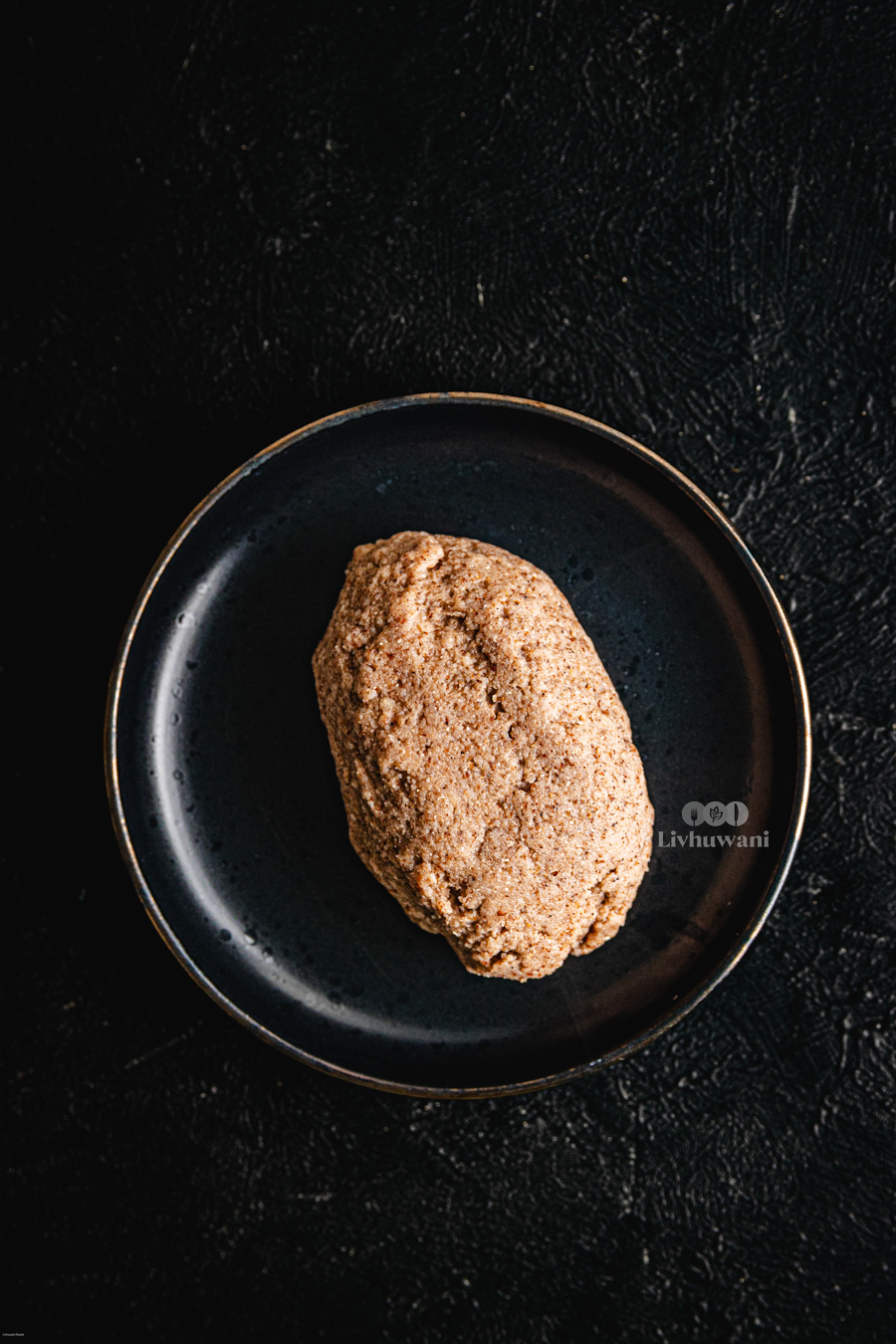
Sorghum pap, also known as mabele pap, is a traditional African dish made from finely milled sorghum flour and water. A staple in many South African food traditions, it can be prepared as a soft breakfast porridge or cooked into a firm pap to serve with vegetables, stews and relishes. We call this vhuswa ha makhaha in Venda.
Across Southern Africa, sorghum, a nutritious african grain, has been grown and enjoyed for generations. It is one of the continent’s oldest grains, valued for producing nourishing, hearty meals that bring people together around the table.
Like many traditional dishes, mabele pap varies from one household to another. Some families enjoy it soft enough to eat from a bowl with milk or maas, while others cook it until it is firm enough to accompany savoury dishes. The method may differ, but the principle remains the same: fine sorghum flour is slowly cooked with water until it reaches the desired texture.
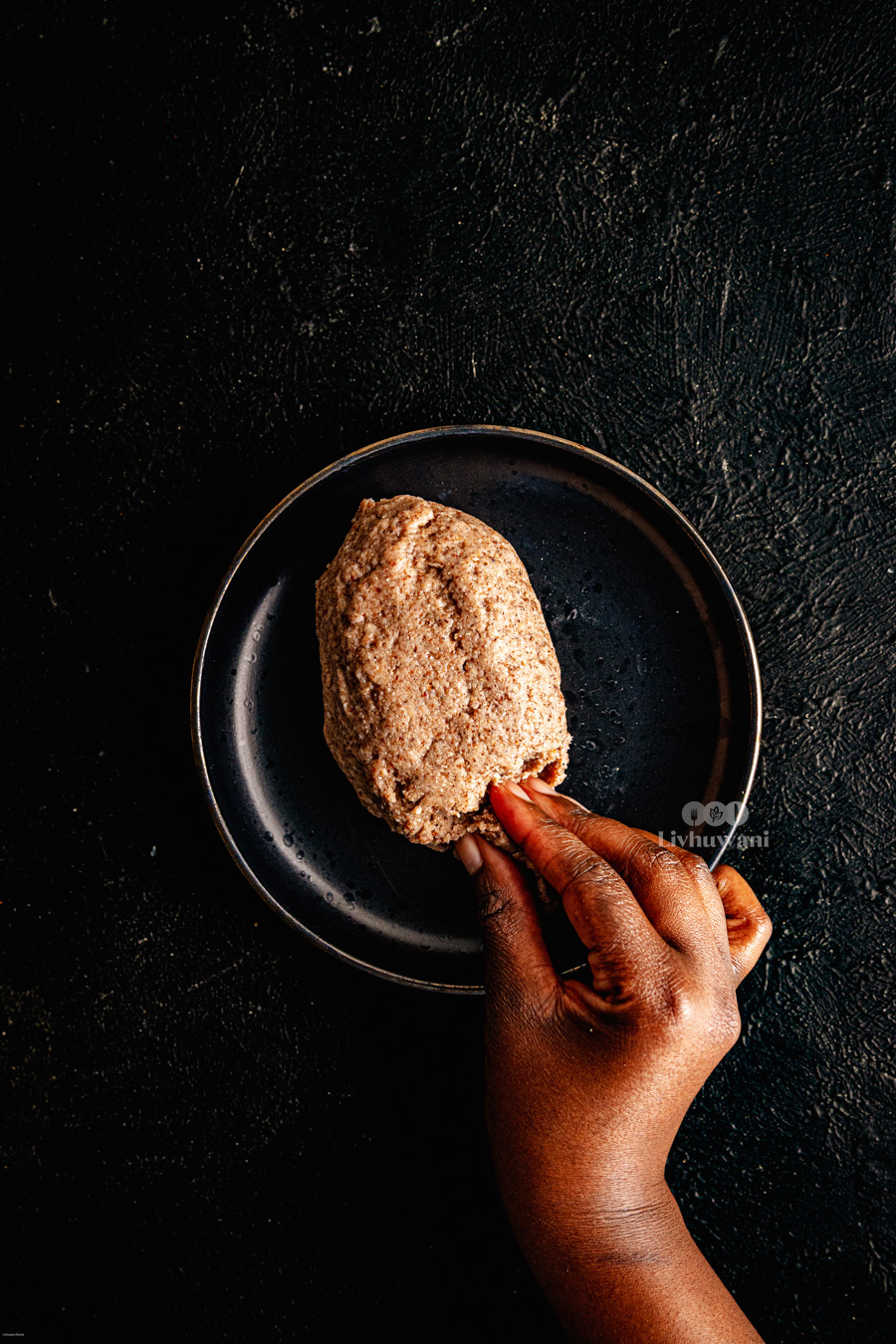
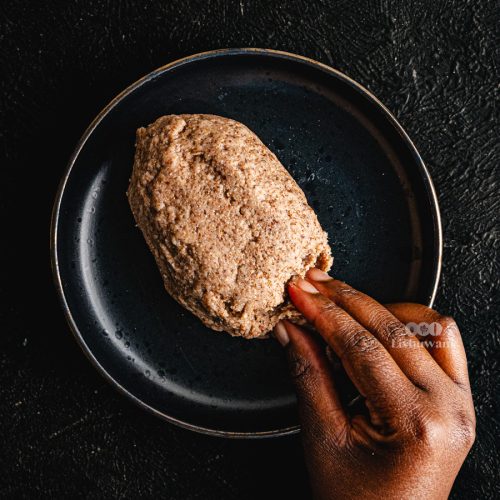
If you’ve only ever made maize meal pap, the first thing you’ll notice is its colour. Sorghum pap has a naturally brown colour and a slightly earthy, nutty flavour. Served hot, it has a smooth, comforting texture that makes it just as satisfying as maize meal pap.
Today, many people are rediscovering sorghum for its nutritional benefits and versatility. Across Africa, however, it has never been a new ingredient. It has long been used to make porridges, drinks, breads and pap, continuing a tradition that has nourished families for generations.
Whether you’re making mabele pap for breakfast or serving it as part of a traditional meal, this recipe is a great place to start. With its tested measurements and traditional cooking method, you’ll have everything you need to make smooth, lump-free sorghum pap with the perfect texture.
There are many ways to cook mabele pap, and every family has its own method. This recipe follows the traditional technique I learnt at home, with carefully tested measurements to help you recreate it with confidence.
Why You’ll Love This Sorghum Pap Recipe
One of the things I love most about mabele pap is how little it asks of you. With just a handful of ingredients, you can prepare a nourishing meal that has been enjoyed across Southern Africa for generations.
Ingredients you’ll need to make mabele pap (sorghum pap)
That’s all you need.
Three simple ingredients come together to create a comforting bowl of sorghum pap that has stood the test of time.
Final Thoughts from Liv x
I’ll be honest, if you’ve never had mabele pap before, you might look at it and think, I’m not sure about this.
I get it.
It isn’t bright white like maize meal pap, and it probably won’t be the dish that wins a beauty contest.
But then again, some of the best food never does.
This is simple, real food. The ingredient list is short, you can pronounce every one of them, and at the heart of it is sorghum, an ancient African grain that has nourished African communities for generations.
And yes, it’s hearty.
If you’re someone who looks forward to comforting, filling meals once the weather turns cold, I think you’ll really enjoy this with stew. It’s the kind of staple that feels right on a chilly winter’s day, when all you want is something warm, satisfying and nourishing.
Every time we cook traditional recipes, we’re doing more than making dinner. We’re learning from the generations before us and helping to keep these recipes alive for the next generation.
That’s one of the reasons I keep coming back to sorghum.
I cook it to connect with my culture. I cook it to learn. I cook it to remember and I cook it because I want these recipes to continue being part of our tables, not just our memories.
So if you’ve been hesitating, let this be the recipe that changes your mind.
Frequently Asked Questions on Mabele pap
Did you make this recipe?
If you make this sorghum pap, I’d love to hear how it turned out. Leave a comment below and tell me how you served it or whether it reminded you of someone or somewhere. Follow along with me on TikTok or save this recipe for later on Pinterest.
Traditional Sorghum Pap (Mabele Pap)
Equipment
- Medium or large heavy-based pot with a lid
- Medium mixing bowl
- Wooden spoon
Ingredients
- 580 g sorghum flour divided
- 220 g for the slurry
- 360 g for thickening
- 1.5 litres water
- 1½ cups 360ml cold water
- Salt to taste (optional)
Instructions
- In a medium mixing bowl, mix 220g sorghum flour with 1½ cups (360ml) cold water until you have a smooth, lump-free slurry.
- Pour 1.5 litres of water into a medium or large heavy-based pot and bring it to a rolling boil over high heat.
- If using, stir the salt into the boiling water.
- While stirring continuously with a wooden spoon, slowly pour the sorghum slurry into the boiling water. Continue stirring over high heat until the mixture returns to a boil and begins to thicken, stirring evenly and continuously to avoid any lumps from forming.
- Reduce the heat to low, cover the pot with a lid and simmer for 10 minutes.
- Remove the lid and begin adding the remaining sorghum flour a little at a time. For this recipe, I tested adding the remaining 360g of sorghum flour in four 90g scoops. After each addition, use the wooden spoon to mix, fold and pound the flour into the cooked porridge until it is fully incorporated and you can no longer see any dry flour or lumps before adding the next scoop.
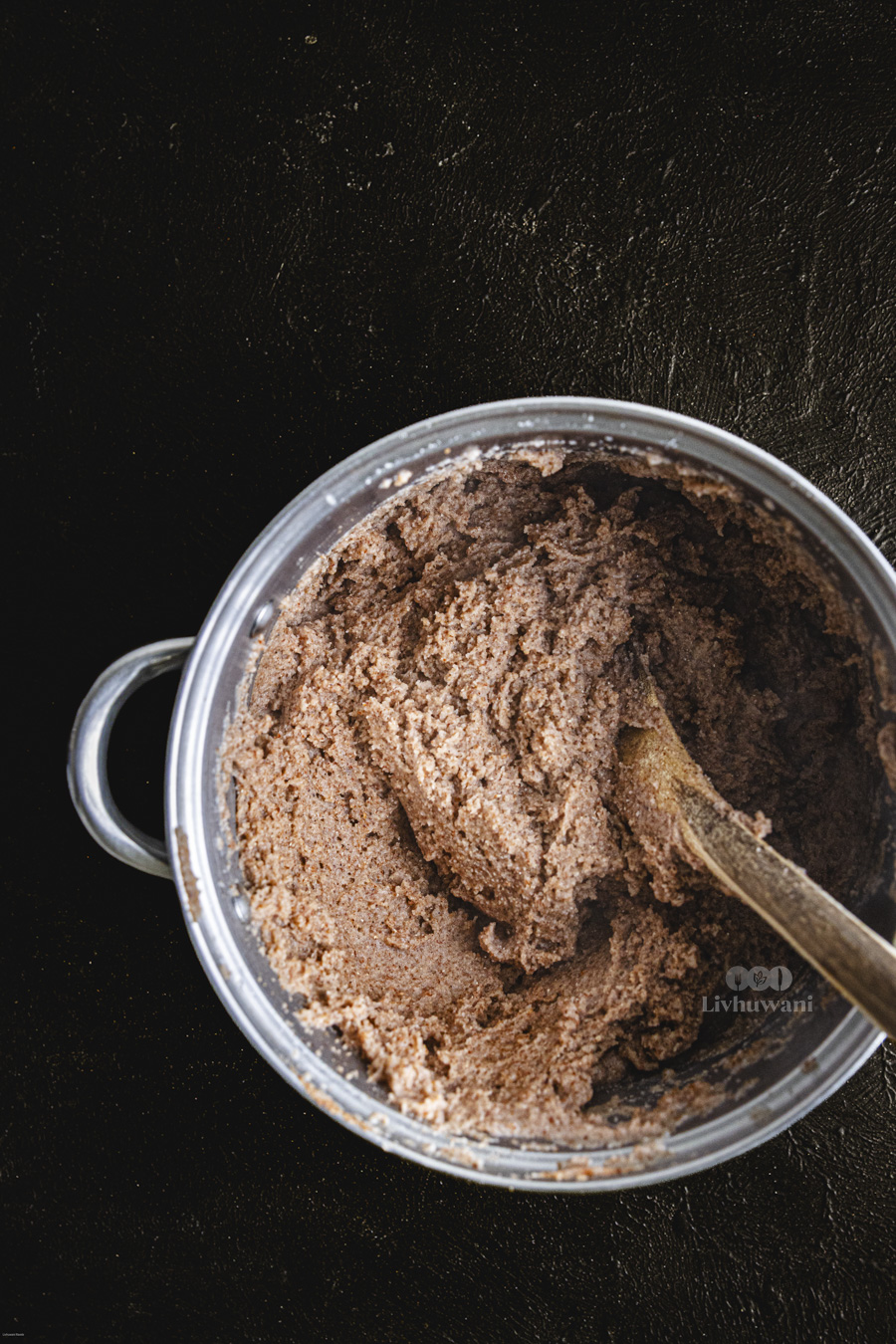
- Continue adding the remaining flour in the same way, mixing, folding and pounding well after each addition. By the final addition, the pap should be firm and stiff. Continue working the pap until it is smooth and no lumps or dry flour remain.
- Cover the pot again and cook over the lowest heat for a further 10 minutes.
- Remove the lid and give the pap one final mix before serving.
Notes
- Amasi, Maas (fermented milk)
- Chakalaka (Vegetable relishes)
- Muroho/morogo (cooked vegetables like amaranth or cabbage)
- Bean stews
- Tomato and onion gravy
- Traditional African stews
Storage Instructions
Allow the sorghum pap to cool completely before storing.- Refrigerator: Store in an airtight container for up to 3 days.
- Freezer: Divide the pap into individual portions before freezing. I find it easiest to shape the pap into portion-sized balls while it’s still warm, then allow them to cool completely before storing. You can wrap each portion in cling film or place them in reusable airtight containers or freezer bags. Freeze for up to 3 months.
- To reheat from frozen: Thaw the pap overnight in the refrigerator, then reheat it in the microwave until piping hot. If the pap has become a little dry, add a splash of water before reheating to help restore its smooth texture.