
What Are Cowpeas? The Bigger Story Behind Black-Eyed Peas
Cowpeas are one of Africa’s oldest cultivated crops, yet many of us know just one member of the family: black-eyed peas. This is the story of an ingredient that has nourished communities for thousands of years, travelled across continents and changed the way I look at a bean I thought I already knew.
We don’t always stop being curious because we’ve learnt everything there is to know.
Sometimes, we stop because we’ve learnt the name.
Once an ingredient feels familiar, it’s easy to believe we’ve reached the end of the story. We recognise it on a supermarket shelf, cook it from memory and rarely ask where it came from or what else it might be connected to.
That’s exactly how I thought about black-eyed peas.
They belonged in one corner of my kitchen. Cowpeas belonged in another.
To me, they were two completely different ingredients. Then I read a sentence that stopped me.
Black-eyed peas are cowpeas.
I read it again.
I’d spent years believing they were different.
They never were.
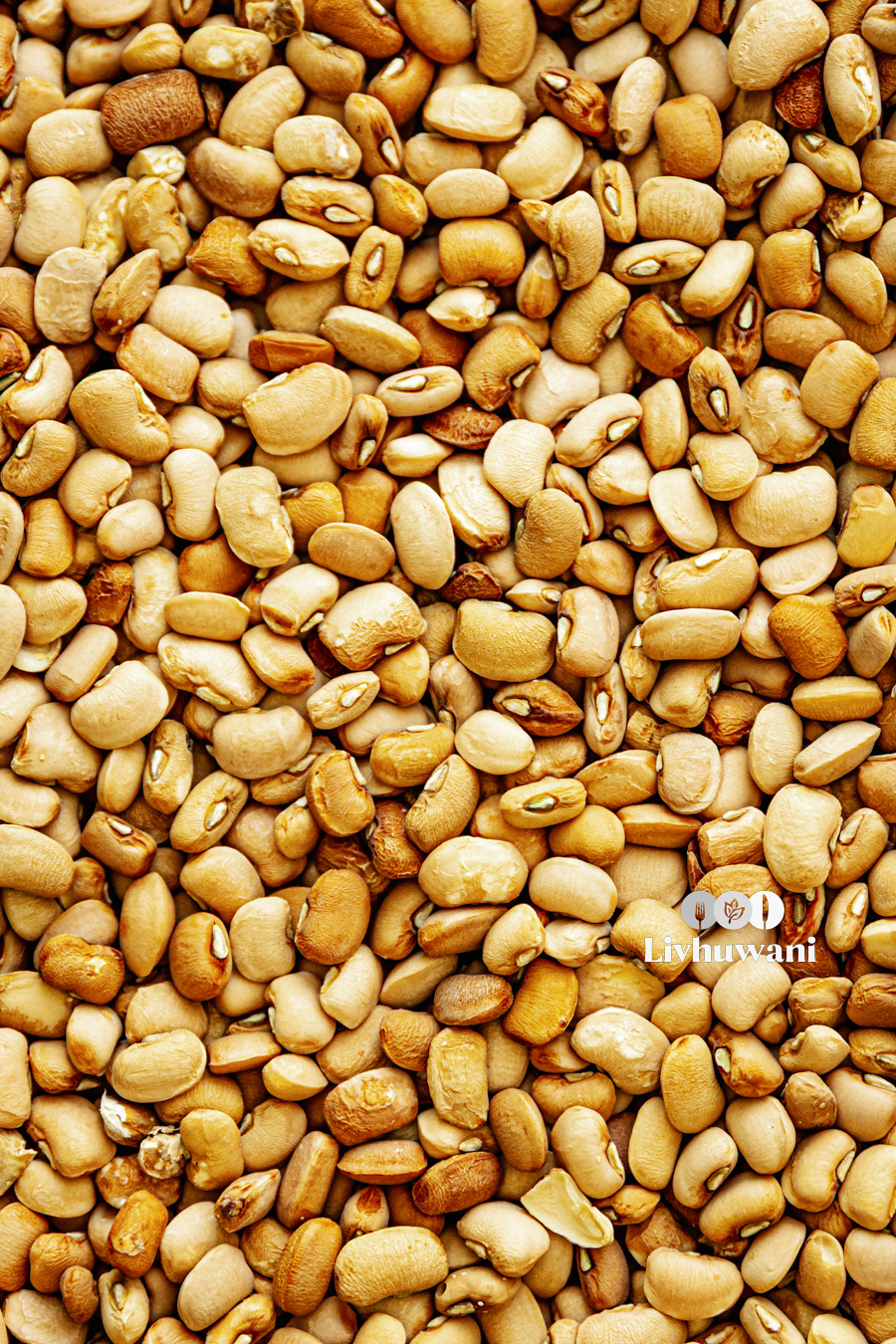
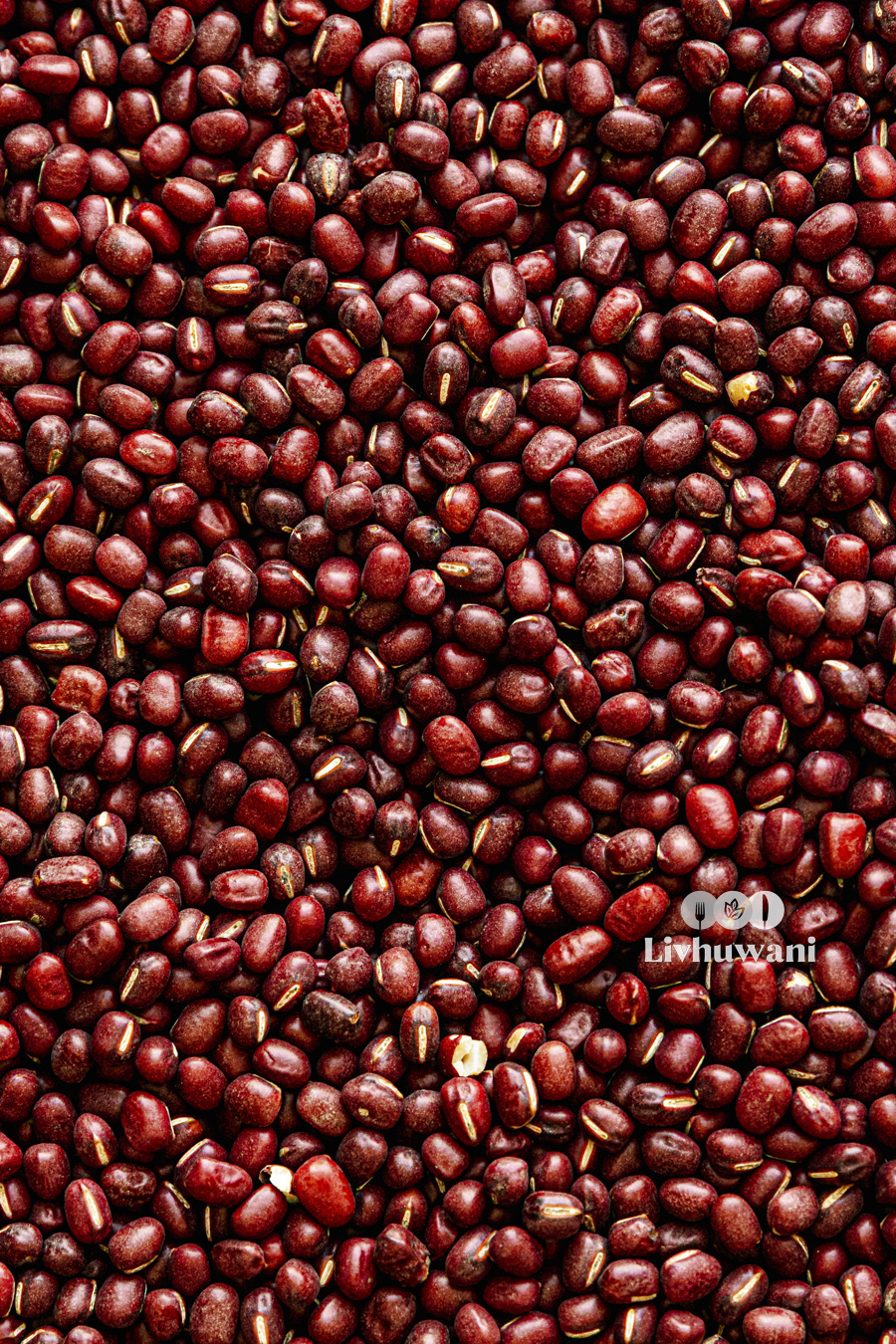
Black-eyed peas are one variety of cowpea, alongside honey beans, red cowpeas and hundreds of other varieties cultivated across Africa.
Varieties I can’t wait to meet.
One familiar name had hidden an entire family.
Behind black-eyed peas was an ancient legume called Vigna unguiculata. There were fields of cowpeas growing beside sorghum and millet, generations of farmers and home cooks, and names I’d never heard before.
I hadn’t discovered a new ingredient.
I’d finally been introduced to the some of the family.
So, What Exactly Is a Cowpea?
A cowpea is a warm-season legume grown for its edible seeds, tender leaves and young pods. Known scientifically as Vigna unguiculata, it’s one of Africa’s oldest cultivated crops and has nourished communities across the continent for thousands of years.
If you’ve cooked with black-eyed peas before, you’ve already cooked with a cowpea.
Black-eyed peas are simply the best-known variety in a much larger family. Alongside them are honey beans, red cowpeas and hundreds of other cowpea varieties, each with its own colour, size, flavour and place in local food traditions.
Most cowpeas have a mild, earthy flavour and a creamy texture that happily takes on the flavours around them. You’ll find them in hearty stews, akara, comforting porridges, fresh salads and even dips. They’re as at home in everyday meals as they are in dishes made for sharing.
That’s one of the things I find most fascinating about ingredients. The closer you look, the less they resemble individual foods and the more they resemble families.
Some relatives become household names.
Others never leave home.
Across Africa, cowpeas have long been valued for more than their beans alone. Depending on the region, people also cook the young leaves as leafy greens, eat the tender pods, or dry the seeds to store for months after harvest. A single plant can provide food in more ways than one.
That versatility is one of the reasons cowpeas have remained such an important crop for generations. They fit around people’s lives, seasons and landscapes, offering nourishment whether eaten fresh from the field or months later from the store cupboard.
The more I learn about cowpeas, the harder it is to think of them as just one ingredient.
They feel less like one ingredient and more like a pantry waiting to be explored.
The Bean That Feeds the Soil
Most of us think about what a crop gives us.
A harvest, a meal or something to cook for dinner.
Cowpeas have another story to tell.
While the beans feed people above the ground, something else is happening below it. Their roots work with naturally occurring bacteria to capture nitrogen from the air and return it to the soil. That nitrogen helps replenish the land, making it more fertile for the crops that follow.
This is one of the reasons cowpeas have often been planted alongside cereals such as sorghum and millet. Each crop plays a different role, and together they create fields that continue producing season after season.
Generations of farmers understood this through observation and experience. They didn’t need to know the science behind nitrogen fixation to recognise that the land responded differently when crops worked together.
The harvest wasn’t measured only by what was carried home.
It was also measured by what was left behind for the next season.
There’s something beautiful about that.
They don’t only produce food.
They help prepare the ground for what comes next.
Where Did Cowpeas Come From?
Every ingredient has a place it first called home.
For cowpeas, that home is Africa.
Researchers believe cowpeas were first domesticated in sub-Saharan Africa thousands of years ago. From there, they spread across the continent, finding a place in different landscapes, climates and kitchens. Communities gave them new names, cooked them in different ways and folded them into everyday life.
Across the continent, cowpeas became part of everyday cooking. They found their way into stews, porridges, fritters and bean dishes, adapting to local ingredients and food traditions while remaining the dependable crop people had relied on for generations.
Crops have journeys too.
The cowpea’s story didn’t begin in a supermarket aisle or a recipe book. It began in fields, passed from one harvest to the next, from one generation to another.
As people moved, traded and settled in new places, cowpeas travelled with them. They crossed regions, adapted to different soils and climates, and eventually reached Asia, Europe and the Americas.
Their resilience made that journey possible.
Cowpeas grow well in warm climates, tolerate drought better than many crops and produce dependable harvests even when conditions are difficult. Those qualities made them a trusted crop, especially in places where farming depended on making the most of every season.
Today, cowpeas are grown around the world.
Their roots, however, still lead back to Africa.
Why Is It Called a Cowpea?
For a plant with such a long history, cowpea is a surprisingly ordinary name.
The first time I heard it, I assumed it had always been grown as food for cows.
In a way, the name points in that direction.
It’s widely believed that the English name cowpea came from the plant’s use as fodder for cattle. While the leaves, stems and pods were often fed to livestock, the dry beans also nourished generations of African communities and later travelled across the Atlantic with enslaved Africans, becoming part of the food traditions they carried with them.
The name tells one part of the story.
It just doesn’t tell the whole story.
Long before the word cowpea became part of the English language, communities across Africa were cultivating, cooking and eating this remarkable legume.
Black-eyed pea tells a different story. The name comes from the small dark mark on the cream-coloured bean that resembles an eye.
Around the world, cowpeas have collected many names. Depending on where you are, you might hear them called southern peas, field peas, crowder peas or simply black-eyed peas. Across Africa, they have countless local names too, each carrying the language, history and food traditions of the communities that gave them those names.
Names travel.
They change.
Some become widely recognised.
Others stay close to home.
The ingredient remains the same.
Only the words around it keep changing.
The Journey Beyond Africa
It’s not every journey begins with a choice.
As millions of Africans were forced across the Atlantic during the transatlantic slave trade, they carried far more than the possessions they were allowed to keep. They carried knowledge, recipes, farming traditions and cowpea seeds that would take root far from home.
Cowpeas and other ingredients were part of that journey.
Their story didn’t end when they left Africa. In many ways, it entered a new chapter.
Across the Caribbean, the West Indies and the southern United States, cowpeas became woven into everyday cooking while still carrying traces of the food traditions they came from. Dishes such as Hoppin’ John, now closely associated with the American South, have roots that reach back to West African foodways.
The history of the cowpea stretches across continents. In some places it became an everyday household staple. In others, it was grown as a cash crop, valued as forage for livestock as well as food for people. The same plant continued to adapt to different landscapes while carrying generations of agricultural knowledge with it.
An ingredient can cross an ocean, change its name and find a new home, yet still carry the memory of where it came from.
Today, many people know black-eyed peas as a symbol of good fortune eaten on New Year’s Day in parts of the United States.
Few realise they’re celebrating a tradition connected to an ingredient whose story began thousands of miles away in Africa.
Every time I learn something like that, the ingredient grows a little bigger.
Not in size, In meaning.
Cowpeas around My Table
The packets in my cupboard haven’t changed.
The labels haven’t changed either.
Black-eyed peas still look exactly as they did the first time I cooked them.
The difference is that I no longer see them on their own.
I see honey beans.
I see red cowpeas.
I see an ingredient that has travelled across generations, crossed continents and carried more names than I ever realised.
I see fields where cowpeas grow beside sorghum and millet.
I see farmers who understood the land well enough to grow crops that cared for one another.
I see the many hands that kept this ingredient alive before it reached my kitchen.
Every now and then, an ingredient I thought I knew introduces itself again.
Cowpeas did exactly that.
If you’d like to meet cowpeas…
around your own table, my Cowpea and Bambara Bean Dip is where I’d begin. It’s simple, comforting and lets the ingredient speak for itself.
I have a feeling this won’t be the last time cowpeas surprise either of us.


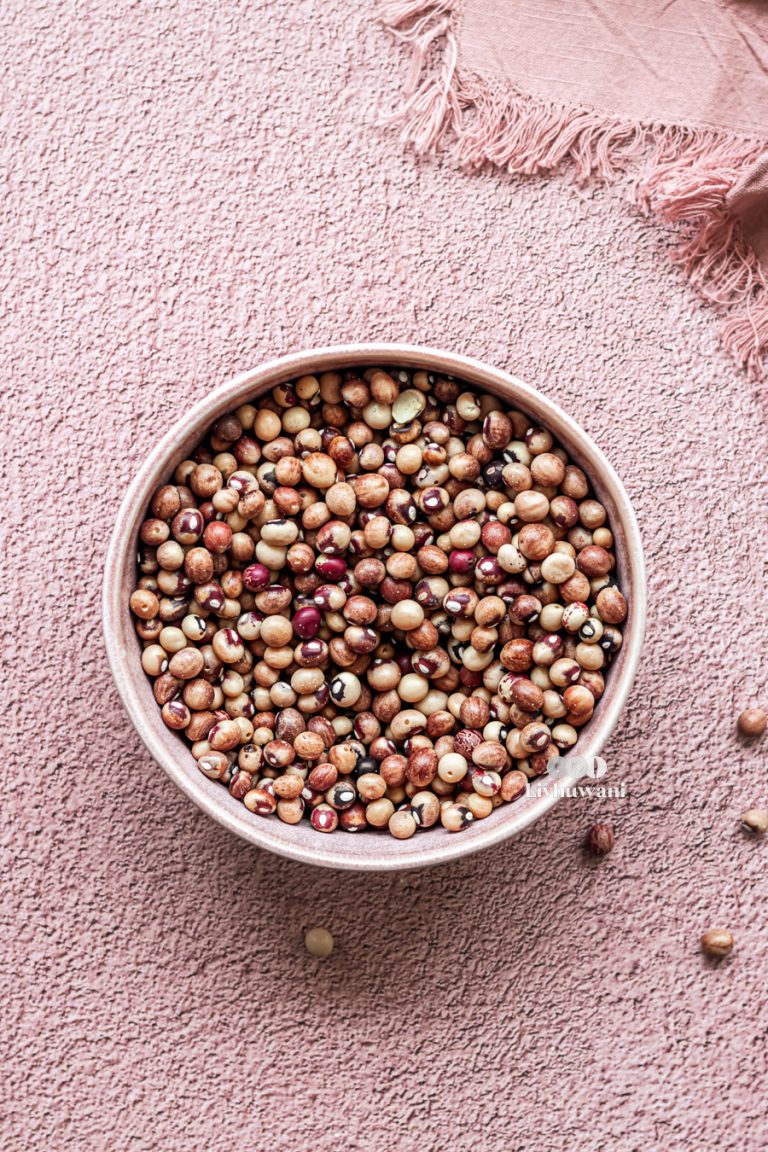

2020, I was overly obsessed with looking for ingredients. Theres a store in Randburg I use to get pulses, seeds etc from. I see these colourful beans ive never seen before, judo beans. I cook em, they turn brown, kinda disappointed that the colour changed. I taste them an I couldnt believe it. These are beans I knew very well, never saw em in stores before. Di tloo is what we call them, aka bambara groundnuts
Ahh, I know exactly what you mean! 😂 I was always a little disappointed when they turned brown too, but I’m sure the Lord knew what He was doing.
Ditloo! We call them phonda in my language. I actually forgot about them for years until I came across them again in 2022 while travelling from Venda to Johannesburg. A lovely gentleman was selling them by the roadside, and seeing them again brought back so many memories.
I ended up writing about Bambara beans on this blog later that year, so I’ll leave the link here in case you’d like to read it: https://livhuwani.com/why-bambara-beans-deserve-a-place-in-your-pantry/
P.S. Thank you for taking the time to share your story. Comments like yours are one of my favourite parts of writing this blog 😌